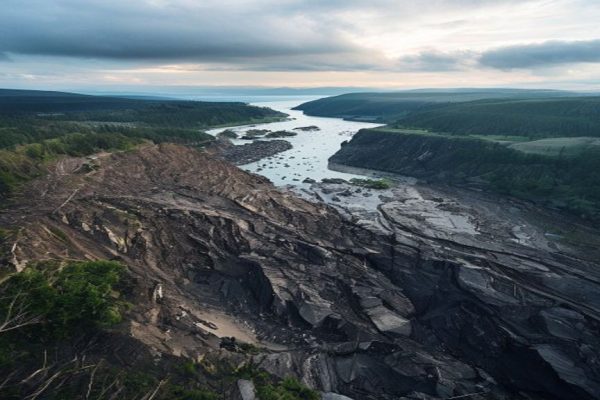
Massive Landslide Strikes Alaska’s Tracy Arm Fjord
On the morning of August 10, 2025, a massive landslide struck Alaska’s Tracy Arm fjord, a popular destination for many cruise lines. The landslide triggered a 1,578-foot-tall (481-meter-tall) mega-tsunami, which has left the region reeling. The impact of this disaster is multifaceted, with far-reaching consequences for the environment, local communities, and the global cruise industry.
Background and Context
The Tracy Arm fjord is a 30-mile-long (48-kilometer-long) fjord in Alaska’s Tongass National Forest. Known for its breathtaking scenery and diverse wildlife, the fjord attracts thousands of visitors each year. Cruise ships often navigate through the narrow fjord, providing stunning views and unparalleled access to the region’s natural wonders.
However, the fjord’s unique geology and climate make it prone to landslides and tsunamis. The area has experienced several notable incidents in the past, including a 2015 landslide that caused significant damage to the fjord’s entrance.
Environmental Implications
The landslide has released massive amounts of sediment and debris into the fjord, which may have long-term effects on the region’s ecosystem. The increased sediment load can lead to reduced water quality, decreased fish populations, and altered habitats for marine life.
The impact on local wildlife is particularly concerning, as the fjord is home to a diverse range of species, including humpback whales, orcas, and sea otters. The increased sedimentation and potential loss of habitats may compromise the delicate balance of the ecosystem, leading to long-term consequences for the region’s biodiversity.
Economic and Social Implications
The landslide has also had significant economic and social implications for the region. The fjord is a major tourist destination, with many cruise lines and adventure operators relying on the area’s natural beauty and attractions.
The closure of the fjord due to the landslide has resulted in significant economic losses for local businesses and communities, which may struggle to recover from the impact. Furthermore, the disaster has raised concerns about the long-term viability of the cruise industry in the region, as the risk of similar incidents may deter visitors and investors.
Key Points:
- The landslide triggered a 1,578-foot-tall (481-meter-tall) mega-tsunami in Alaska’s Tracy Arm fjord.
- The disaster has left the region reeling, with significant environmental, economic, and social implications.
- The fjord is a popular destination for many cruise lines and adventure operators.
- The landslide has released massive amounts of sediment and debris into the fjord, potentially affecting the region’s ecosystem.
- The disaster has raised concerns about the long-term viability of the cruise industry in the region.
Future Implications and Recovery Efforts
As the region begins to recover from this devastating disaster, it is essential to address the long-term implications and develop strategies to mitigate similar incidents in the future.
Scientists and researchers will continue to study the effects of the landslide and tsunami on the region’s ecosystem, providing crucial insights into the impact of large-scale geologic events on the environment.
Local communities and governments will need to work together to develop comprehensive recovery plans, addressing the economic and social implications of the disaster. This may involve investing in infrastructure, supporting local businesses, and promoting sustainable tourism practices.






Leave a Reply