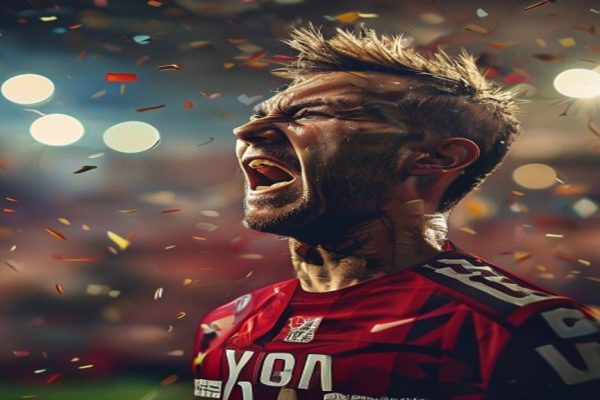
Xavi Simons’ Celebration Sparks Debate
The world of football has always been known for its high-flying tackles, precision passes, and electrifying celebrations. However, in recent years, the influence of social media has been increasingly evident on the pitch. The latest example of this trend is Tottenham’s Xavi Simons, who sparked controversy with his celebration after scoring against Brighton.
According to reports, Simons was criticized by his teammate for his over-the-top celebration, which he described as ‘a bit too much’ and ‘a bit Instagrammy.’ This incident has sparked a wider debate about the impact of social media on footballers’ behavior and whether it’s affecting their performance on the pitch.
The Rise of Social Media in Football
Social media has revolutionized the way we consume football. Platforms like Instagram, Twitter, and TikTok have given footballers a global stage to showcase their skills, personalities, and celebrations. However, this increased exposure has also led to a culture of spectacle and showmanship, where players feel pressured to create viral content to boost their online profiles.
As a result, we’re seeing more and more players embracing their ‘celebrity’ status and using their social media platforms to promote their personal brands. While this can be beneficial for their careers and charitable endeavors, it also raises concerns about the authenticity of their actions on the pitch.
The Impact on Football Culture
Football has always been a game of passion, skill, and teamwork. However, the increasing influence of social media is altering the very fabric of the sport. Players are now more focused on creating content than on simply playing the game. This shift in priorities is affecting team dynamics, tactics, and overall performance.
The pressure to perform on social media can also lead to anxiety and stress, which can negatively impact a player’s mental health. In an era where mental well-being is becoming increasingly important, it’s essential for football clubs and governing bodies to address this issue and promote a healthier culture.
The Future of Football and Social Media
As social media continues to shape the world of football, it’s crucial for players, clubs, and governing bodies to find a balance between promoting the sport and maintaining its integrity. One possible solution is to promote a ‘social media-free zone’ during matches, where players can focus on the game without the distraction of their online presence.
Another approach is to encourage players to use their social media platforms for positive change, such as promoting charitable causes, supporting grassroots football initiatives, or engaging with fans in meaningful ways. By harnessing the power of social media for good, we can create a more inclusive, engaging, and authentic football culture.
In the words of Xavi Simons’ teammate, ‘Spurs have been poor of late,’ and it’s time for the club to refocus on the game rather than getting caught up in the glamour of social media. By doing so, we can ensure that football remains a game of passion, skill, and teamwork, rather than a platform for self-promotion.
Key points:
- Social media has increased the pressure on footballers to create viral content.
- This shift in priorities is affecting team dynamics, tactics, and overall performance.
- Players are now more focused on creating content than on simply playing the game.
- The pressure to perform on social media can lead to anxiety and stress, negatively impacting mental health.
- Clubs and governing bodies must find a balance between promoting the sport and maintaining its integrity.
Image Prompt: A football player celebrating a goal, with a smartphone camera capturing the moment. The player is surrounded by teammates and fans, with a blurred social media logo in the background. The image should convey the idea of footballers caught between their love of the game and the pressures of social media.






Leave a Reply