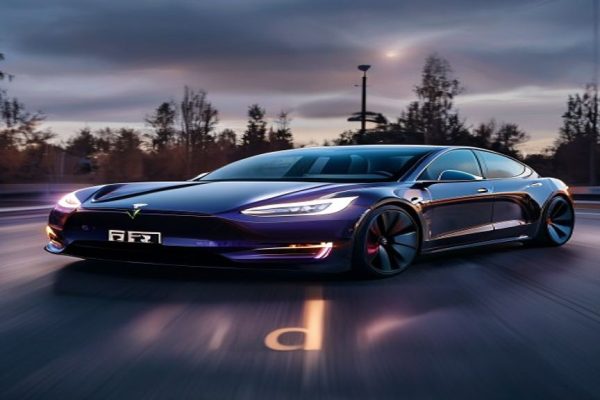
Tesla’s FSD Update Delayed: What’s Behind the Decision?
Tesla’s Full Self-Driving (FSD) technology has been one of the most highly anticipated features in the electric vehicle (EV) market. The company has been working tirelessly to perfect this technology, and many owners were eagerly waiting for the unsupervised FSD update. However, in a recent update, Tesla announced that cars on Hardware 3 (HW3) would not be receiving this feature.
So, what led to this decision? In an interview, Tesla CEO Elon Musk explained that the company is taking a more cautious approach to FSD development. Musk stated that the team wants to ensure that the technology is safe and reliable before deploying it without human supervision. This decision may seem surprising, given the company’s ambitious timeline for FSD adoption. However, it highlights the complexities and challenges involved in developing autonomous vehicle technology.
What’s Next for Tesla’s FSD Development?
Despite the delay, Tesla remains committed to its FSD roadmap. The company plans to continue developing the technology and will provide regular software updates to improve its capabilities. While the unsupervised FSD update may not be available for HW3 cars, owners can still expect to see significant improvements in the company’s Autopilot features.
One key takeaway from this development is that Tesla is prioritizing safety over an aggressive timeline. This approach may seem cautious, but it’s essential for building trust with customers and ensuring that the technology is robust enough to handle a wide range of scenarios.
The Future of Autonomous Vehicles: Implications and Opportunities
The delay in Tesla’s FSD update has significant implications for the autonomous vehicle industry. It highlights the challenges involved in developing and deploying autonomous technology, particularly in high-stakes environments like public roads.
However, this delay also presents opportunities for other companies to innovate and fill the gap in the market. Other players, like Waymo and Cruise, are already making significant strides in autonomous vehicle development. The delay in Tesla’s FSD update may give them a chance to establish themselves as leaders in this space.
- Tesla’s FSD update delay is due to the company’s cautious approach to safety and reliability.
- HW3 cars will not receive unsupervised FSD, but will still receive regular software updates.
- The delay highlights the complexities and challenges involved in developing autonomous vehicle technology.
- Other companies, like Waymo and Cruise, may benefit from Tesla’s delay and establish themselves as leaders in the autonomous vehicle market.
In conclusion, while the delay in Tesla’s FSD update may be disappointing for some owners, it’s a necessary step in ensuring the safety and reliability of autonomous vehicle technology. As the industry continues to evolve, it’s essential to prioritize caution and safety over aggressive timelines.
Image Prompt: ‘A Tesla car navigating through a busy city street with the company’s Full Self-Driving (FSD) technology displayed on the dashboard.’






Leave a Reply