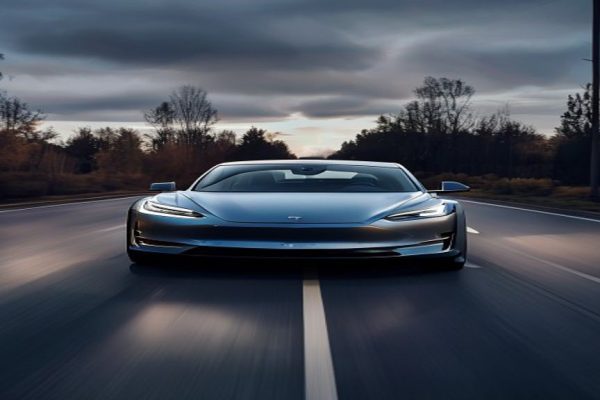
Tesla’s Plan for Autonomous Driving Takes a Step Back
Tesla has been at the forefront of autonomous driving technology, with its Full Self-Driving (FSD) feature being one of the most highly anticipated and debated topics in the industry. Recently, it was announced that Tesla cars on Hardware 3 (HW3) will not receive unsupervised FSD, leaving many wondering what this means for the future of autonomous driving. In this article, we’ll delve into the background, implications, and potential consequences of this decision.
What is Hardware 3 (HW3)?
Tesla’s Hardware 3 (HW3) is the third generation of the company’s Autopilot hardware suite, which is used to enable advanced driver-assistance systems (ADAS) and autonomous driving capabilities in its vehicles. HW3 is designed to be more powerful and capable than its predecessors, with improved processing power, memory, and sensor integration. However, despite its advanced capabilities, Tesla has chosen not to enable unsupervised FSD on HW3 cars.
The Reason Behind the Decision
While Tesla has not explicitly stated the reasons behind the decision, it’s likely that the company is taking a cautious approach to ensure the safety and reliability of its autonomous driving technology. Unsupervised FSD requires a high level of confidence in the vehicle’s ability to navigate complex and unpredictable scenarios, which is a challenging task even for the most advanced AI systems. By holding back on unsupervised FSD, Tesla may be prioritizing the safety of its customers and the broader public over the desire for a more seamless and autonomous driving experience.
The Implications of This Decision
- Delays in FSD Rollout: This decision likely means that the rollout of FSD on HW3 cars will be delayed, at least until Tesla is confident in the technology’s ability to operate safely and reliably in unsupervised mode.
- Increased Focus on Safety: By prioritizing safety over the desire for advanced features, Tesla is demonstrating a commitment to protecting its customers and the public, which is essential for building trust in autonomous driving technology.
- Regulatory Scrutiny: Tesla’s decision may also attract regulatory scrutiny, as governments and regulatory bodies continue to grapple with the complexities of autonomous driving and the need for clear safety standards.
- Impact on Competitors: This decision may have implications for Tesla’s competitors, who may be forced to re-evaluate their own approaches to autonomous driving and safety.
What’s Next for Tesla and Autonomous Driving?
Tesla’s decision to hold back on unsupervised FSD on HW3 cars is a significant development in the world of autonomous driving. While it may delay the rollout of FSD, it also demonstrates a commitment to safety and prioritizes the well-being of customers and the public. As the industry continues to evolve, it will be fascinating to see how Tesla and its competitors navigate the complex landscape of autonomous driving and safety.
Key Takeaways
- Tesla has chosen not to enable unsupervised FSD on HW3 cars.
- The decision is likely a result of Tesla’s commitment to safety and prioritizing the well-being of customers and the public.
- The implications of this decision are far-reaching, with potential delays in FSD rollout, increased focus on safety, and regulatory scrutiny.
The future of autonomous driving is complex and multifaceted, and Tesla’s decision is just one part of the larger narrative. As the industry continues to evolve, it will be essential to stay informed and up-to-date on the latest developments and advancements in autonomous driving technology.






Leave a Reply