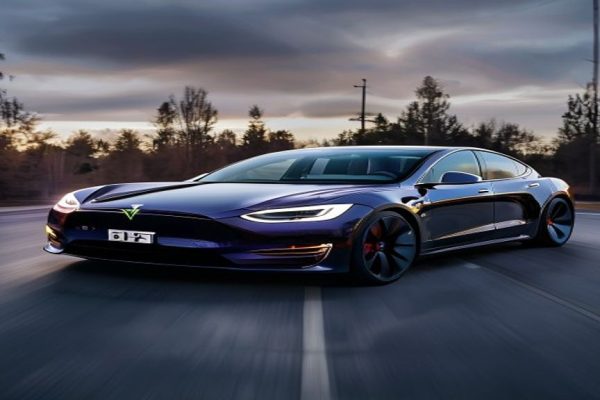
Tesla’s FSD Update Delay: A Disappointment for HW3 Owners
The highly anticipated update for Tesla’s Full Self-Driving (FSD) capability has been met with a significant setback. According to recent reports, Tesla cars equipped with Hardware 3 (HW3) will not be receiving unsupervised FSD. This news has sent shockwaves throughout the Tesla community, with many owners expressing disappointment and frustration.
For those unfamiliar, Tesla’s FSD is a cutting-edge technology that enables vehicles to drive autonomously without human intervention. The update was expected to bring significant improvements to the system, including the ability to navigate complex scenarios and respond to unexpected events. However, the delay has raised concerns about the timeline for HW3 owners to access this feature.
Background and Context: The Evolution of Tesla’s FSD
Tesla’s FSD has been in development for several years, with the company making significant strides in the field of autonomous driving. The technology has undergone numerous updates and improvements, with each iteration bringing the vehicle closer to true autonomy. However, the journey has not been without its challenges.
One of the primary reasons for the delay is the complexity of the HW3 system. The hardware is designed to support advanced features, including FSD, but the software requires significant refinement to ensure seamless operation. Tesla’s engineers have been working tirelessly to fine-tune the system, but the process has been slower than expected.
Another factor contributing to the delay is the increasing scrutiny of autonomous driving technology. As the industry continues to advance, regulatory bodies are placing greater emphasis on safety and accountability. Tesla must ensure that its FSD system meets the highest standards of safety and reliability before releasing it to the public.
Future Implications: What Does This Mean for HW3 Owners?
The delay of unsupervised FSD for HW3 vehicles has significant implications for Tesla owners. Many have been eagerly awaiting the update, which they believe will enhance their driving experience and provide greater convenience. However, the delay has raised concerns about the timeline for accessing this feature.
In the short term, HW3 owners can expect to continue using the existing FSD system, which requires human oversight. While this is not ideal, it is a necessary step in ensuring the safety of drivers and passengers. Tesla’s engineers will continue to work on refining the system, with the goal of eventually releasing unsupervised FSD.
In the long term, the delay may have a more significant impact on Tesla’s reputation and market share. The company’s competitors, such as Waymo and Cruise, are making significant strides in the field of autonomous driving. If Tesla fails to deliver on its promises, it may struggle to maintain its position in the market.
Key points to consider:
- Tesla’s FSD update for HW3 vehicles has been delayed due to the complexity of the HW3 system.
- The delay is also a result of increasing scrutiny of autonomous driving technology.
- HW3 owners can expect to continue using the existing FSD system, which requires human oversight.
- The delay may have significant implications for Tesla’s reputation and market share.






Leave a Reply