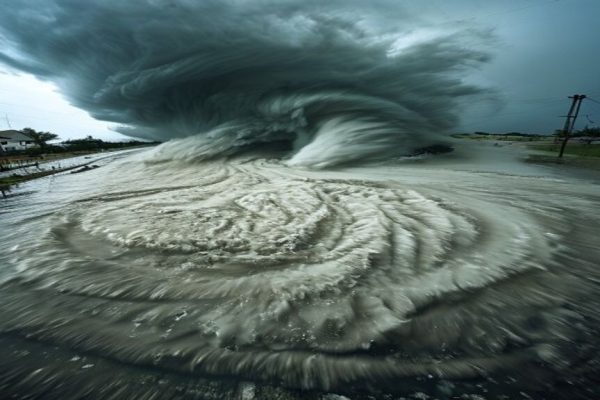
The Unprecedented Disaster of 1970
The Bhola cyclone, which made landfall on November 12, 1970, is considered one of the deadliest tropical cyclones in recorded history. The massive storm system slammed into the coast of what was then East Pakistan, causing widespread destruction and chaos that would leave an indelible mark on the region’s history.
The cyclone’s impact was exacerbated by the fact that it coincided with the flooding of the Ganges River, which had already been swollen from heavy monsoon rains. As the storm made landfall, the resulting storm surge inundated the low-lying coastal areas, catching thousands of people off guard and leaving them vulnerable to the merciless fury of the cyclone.
Behind the Tragedy: A Perfect Storm of Circumstances
The Bhola cyclone was a classic example of a perfect storm, where a combination of atmospheric and geographical factors came together to create a disaster of epic proportions. The cyclone formed over the Bay of Bengal, where the warm waters of the ocean provided the perfect breeding ground for the storm to intensify.
The region’s geography also played a significant role in the tragedy. The Ganges River, which flows through the densely populated coastal areas, is prone to flooding during the monsoon season. The low-lying coastal regions, which are often home to some of the country’s most vulnerable populations, were particularly susceptible to the storm surge and subsequent flooding.
Additionally, the cyclone occurred just before the monsoon season, when the region’s crops were still vulnerable to damage from flooding and strong winds. The combination of these factors made the Bhola cyclone a particularly devastating event, one that would leave an estimated 500,000 to 1 million people dead, making it one of the deadliest natural disasters in history.
A Lasting Legacy: The Aftermath of the Bhola Cyclone
The Bhola cyclone had a profound impact on the region, leading to significant changes in the way the country prepared for and responded to natural disasters. The tragedy highlighted the need for more effective disaster preparedness and mitigation strategies, particularly in the face of climate change, which is increasing the frequency and severity of extreme weather events.
In the years following the cyclone, the Pakistani government implemented a range of measures to reduce the risk of future disasters, including the construction of flood-control dams and the implementation of early warning systems for cyclones and other extreme weather events.
The Bhola cyclone also had a profound impact on the country’s politics and society. The tragedy highlighted the need for more effective governance and disaster response, leading to significant changes in the way the country was governed and managed.
Today, the Bhola cyclone serves as a reminder of the devastating impact of natural disasters and the importance of being prepared for the unexpected. As the world continues to grapple with the challenges of climate change, the Bhola cyclone serves as a powerful reminder of the need for effective disaster preparedness and mitigation strategies.
- The Bhola cyclone was a devastating tropical cyclone that made landfall in East Pakistan on November 12, 1970.
- The storm brought maximum sustained wind speeds of 130 miles per hour (205 kilometers per hour) and a 35-foot storm surge.
- The cyclone caused an estimated 500,000 to 1 million deaths, making it one of the deadliest natural disasters in history.
- The disaster led to significant changes in the way the country prepared for and responded to natural disasters.
- The Bhola cyclone serves as a reminder of the importance of effective disaster preparedness and mitigation strategies in the face of climate change.






Leave a Reply