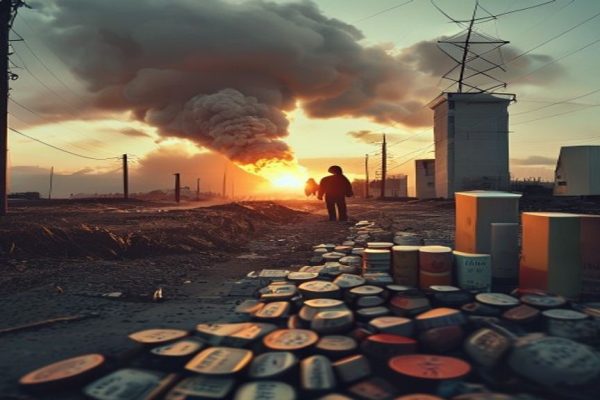
The Perfect Storm of Financial Woes
The recent surge in utility bills and oil prices has left many individuals and families reeling. The war in the Middle East, combined with the growing concern of protecting utility infrastructure from extreme weather events, has created a perfect storm of financial woes that shows no signs of abating. In this article, we’ll delve into the causes behind this phenomenon, explore the effects on the economy and individuals, and examine the potential long-term implications.
The War in the Middle East: A Catalyst for Escalating Oil Prices
The ongoing conflict in the Middle East has had a profound impact on the global oil market. The region is home to some of the world’s largest oil producers, and the instability has led to a significant decrease in production levels. This, in turn, has driven up oil prices, making it even more expensive for consumers to heat their homes, fuel their cars, and power their businesses.
According to data from the U.S. Energy Information Administration (EIA), the price of crude oil has risen by over 25% in the past year alone. This increase has had a ripple effect throughout the economy, driving up the cost of goods and services, and putting a strain on household budgets.
The Rising Cost of Protecting Utility Infrastructure
As the effects of climate change become increasingly apparent, the need to protect utility infrastructure from extreme weather events has become a pressing concern. Severe storms, hurricanes, and wildfires have all taken their toll on the nation’s power grids, leaving millions without access to electricity and clean water.
The cost of protecting utility infrastructure is a significant one, with estimates suggesting that it could add up to $1 trillion to the national debt over the next decade. This is a burden that will be borne by taxpayers, and one that will likely have far-reaching implications for the economy and individuals.
The Human Impact: Rising Utility Bills and Higher Oil Prices Take a Toll
The human impact of rising utility bills and higher oil prices cannot be overstated. For many individuals and families, the cost of living has become unsustainable, with some being forced to choose between heating their homes and putting food on the table.
A recent survey conducted by the National Energy Assistance Directors’ Association (NEADA) found that 1 in 5 households is struggling to pay their energy bills, with many being forced to prioritize their spending on essentials like food and rent. This is a concerning trend, one that highlights the need for urgent action to address the root causes of this crisis.
In addition to the human impact, the rising cost of utility bills and oil prices also has significant economic implications. As households and businesses are forced to tighten their belts, consumer spending and economic growth will likely suffer. This, in turn, will have a ripple effect throughout the economy, potentially leading to job losses and reduced economic activity.
The Future Implications: What Can Be Done to Mitigate the Effects?
So, what can be done to mitigate the effects of rising utility bills and higher oil prices? There are several steps that policymakers, businesses, and individuals can take to address this crisis:
- Invest in Renewable Energy: Transitioning to renewable energy sources like solar and wind power can help reduce dependence on fossil fuels and lower energy costs.
- Improve Energy Efficiency: Investing in energy-efficient technologies and practices can help reduce energy consumption and lower utility bills.
- Protect Utility Infrastructure: Investing in the protection and resilience of utility infrastructure can help prevent outages and reduce the cost of recovering from extreme weather events.
- Support Low-Income Households: Providing financial assistance and support to low-income households can help them access the energy they need to heat their homes and power their appliances.
In conclusion, the rising cost of utility bills and higher oil prices is a complex issue with far-reaching implications. By understanding the causes and effects of this phenomenon, we can work towards finding solutions that will help mitigate the effects and create a more sustainable future for all.
As we move forward, it’s essential that policymakers, businesses, and individuals work together to address this crisis. By investing in renewable energy, improving energy efficiency, protecting utility infrastructure, and supporting low-income households, we can create a more sustainable and equitable energy system that benefits everyone.
It’s time to take action and create a better future for ourselves and for generations to come.






Leave a Reply