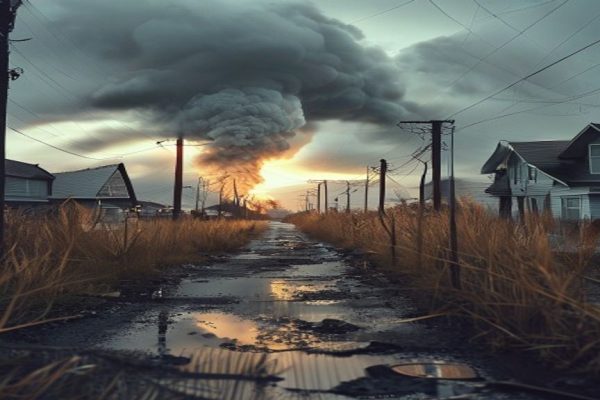
A Perfect Storm of Rising Utility Bills
The recent surge in utility bills and higher oil and gas prices has left many people worried about their economic future. The cost of living continues to rise, and it’s not just the war in the Middle East that’s to blame. The increasing cost of protecting utility infrastructure from more extreme weather events is also playing a significant role.
The Impact of War and Extreme Weather
The ongoing conflict in the Middle East has led to a significant increase in oil prices. This, in turn, has resulted in higher gasoline prices at the pump, making it more expensive for people to commute to work, travel, or simply run their daily errands. The war has also led to disruptions in global energy supplies, further exacerbating the problem.
Meanwhile, extreme weather events such as hurricanes, wildfires, and floods are becoming more frequent and intense due to climate change. Protecting utility infrastructure from these events is becoming increasingly expensive. The cost of repairing and replacing damaged power lines, transformers, and other equipment is rising, and this cost is being passed on to consumers in the form of higher utility bills.
The Economics of Rising Utility Bills
The impact of rising utility bills goes beyond just the immediate financial burden on consumers. It also has broader economic implications. Higher utility bills can lead to reduced consumer spending, which can slow down economic growth. This, in turn, can lead to job losses and reduced economic opportunities.
Furthermore, rising utility bills can also have a disproportionate impact on low-income households. These households often spend a larger percentage of their income on utility bills, making them more vulnerable to price increases.
What’s Next for Utility Bills?
So, what’s next for utility bills? There are several factors that will influence the future trajectory of utility costs. The ongoing conflict in the Middle East and the increasing frequency and intensity of extreme weather events will continue to put upward pressure on utility prices.
However, there are also potential solutions on the horizon. Renewable energy sources such as solar and wind power are becoming increasingly cost-competitive with fossil fuels, which could help reduce the cost of utility bills in the long run.
Additionally, governments and utility companies are starting to invest in grid resilience and infrastructure upgrades, which could help reduce the impact of extreme weather events on utility costs.
Key Points to Remember
- The ongoing conflict in the Middle East and the increasing frequency and intensity of extreme weather events are contributing to rising utility bills.
- The cost of protecting utility infrastructure from extreme weather events is becoming increasingly expensive.
- Rising utility bills can have a disproportionate impact on low-income households.
- Renewable energy sources and grid resilience upgrades could help reduce the cost of utility bills in the long run.
Conclusion
Rising utility bills are a perfect storm of war, extreme weather, and economic uncertainty. While there are potential solutions on the horizon, the immediate financial burden on consumers is a pressing concern. It’s essential for governments, utility companies, and consumers to work together to find ways to reduce the cost of utility bills and mitigate the impact of rising prices on the economy.






Leave a Reply