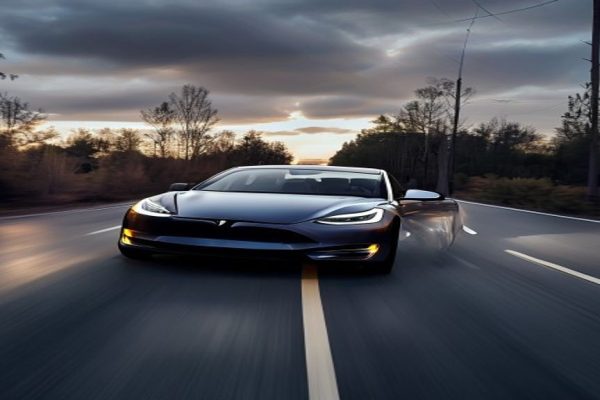
Tesla’s FSD Ambitions Hit a Speed Bump
Tesla’s long-awaited plans for its Full Self-Driving (FSD) technology have hit a significant roadblock. The company has announced that vehicles with Hardware 3 (HW3) will not be receiving the unsupervised FSD feature, a move that has sent shockwaves through the tech and automotive communities.
For those unfamiliar, FSD is Tesla’s advanced driver-assistance system designed to enable vehicles to drive autonomously without human intervention. The technology has been in development for years, with Tesla gradually rolling out beta versions to select customers. However, the company has faced numerous challenges, including regulatory hurdles, technical difficulties, and concerns over safety.
HW3, which was introduced in 2019, is the third iteration of Tesla’s Autopilot hardware. It features a more advanced suite of cameras, radar, and ultrasonic sensors, allowing for improved object detection and tracking. However, it appears that HW3 may not be capable of supporting the complex processing requirements of unsupervised FSD.
Background and Context
So, why is HW3 unable to support unsupervised FSD? The answer lies in the technical complexities of the technology. FSD requires the processing of vast amounts of data from various sensors, which must be analyzed in real-time to detect and respond to potential hazards. This demands significant computational power, which HW3 may not be able to provide.
Tesla’s FSD technology is built on top of a sophisticated software stack, which includes computer vision, machine learning, and sensor fusion. While HW3 has made significant improvements in object detection and tracking, it may not be able to handle the sheer volume of data required for unsupervised FSD.
This news raises questions about the future of FSD and Tesla’s ability to deliver on its promises. The company has been touting FSD as a key feature of its vehicles, and many customers have been eagerly awaiting its deployment. However, the delay or cancellation of unsupervised FSD may be a significant blow to these customers, who may feel misled by Tesla’s marketing efforts.
Key Takeaways and Implications
- Tesla’s HW3 vehicles will not receive the unsupervised FSD feature.
- The lack of unsupervised FSD on HW3 may be due to technical limitations, including computational power and sensor capabilities.
- The delay or cancellation of unsupervised FSD raises questions about Tesla’s ability to deliver on its FSD promises.
- The impact on customers who have been waiting for FSD is unclear, but it may be significant.
Tesla has not provided a clear timeline for when HW4, which is expected to support unsupervised FSD, will be available. In the meantime, customers will have to rely on the company’s more limited Autopilot features, which may not offer the same level of autonomy as FSD.
A Glimmer of Hope?
While the news may be disappointing for some, there is a glimmer of hope on the horizon. Tesla has been working on a new hardware platform, HW4, which is expected to offer significant improvements in processing power and sensor capabilities. This new platform may finally enable the company to deliver on its FSD promises, but only time will tell.
In conclusion, Tesla’s FSD ambitions have hit a significant roadblock, and HW3 vehicles will not receive the unsupervised FSD feature. While this news may be disappointing for some, it also raises questions about the company’s ability to deliver on its promises. As we look to the future, it will be interesting to see how Tesla navigates this challenge and whether it can ultimately deliver on its FSD vision.






Leave a Reply