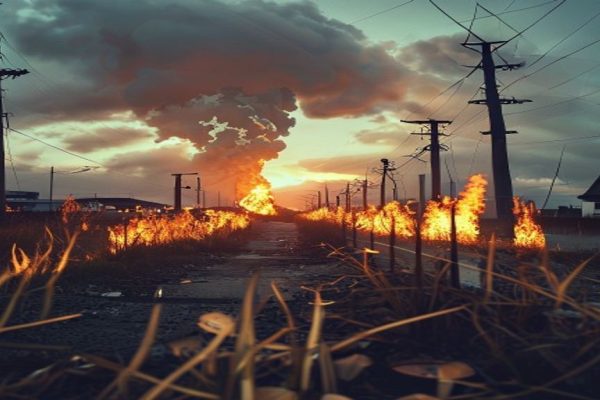
Rising Global Energy Prices: The Perfect Storm
The recent surge in utility bills and oil prices has left many households around the world scrambling to make ends meet. The reasons behind this sudden increase are multifaceted and have severe implications for global energy markets. At the heart of the crisis lies the ongoing war in the Middle East and the escalating costs of protecting critical infrastructure from the devastating effects of extreme weather.
The Middle East Conflict and Global Energy Markets
The ongoing conflict in the Middle East has had a direct impact on global energy markets. The region is home to some of the world’s largest oil reserves, and any disruption to production can send shockwaves through the global energy supply chain. The war has led to a significant decline in oil production, resulting in higher prices and a ripple effect on utility bills.
The conflict in the Middle East is not just a local issue but has far-reaching implications for global energy markets. The region’s oil production accounts for a significant portion of the world’s total oil supply, making it a crucial component of the global energy mix. Any disruption to this supply can have serious consequences, including higher energy prices and reduced economic growth.
The Growing Cost of Protecting Utility Infrastructure
Another significant factor contributing to the rise in utility bills is the increasing cost of protecting critical infrastructure from extreme weather events. Climate change has led to more frequent and intense natural disasters, including hurricanes, wildfires, and floods. These events can cause significant damage to utility infrastructure, leading to power outages, water shortages, and other disruptions.
The cost of protecting utility infrastructure from extreme weather events is substantial and is passed on to consumers through higher utility bills. Utilities are forced to invest in costly measures to prevent damage to infrastructure, including reinforced poles, undergrounding power lines, and other technologies. These investments are necessary to ensure the reliability and resilience of the energy grid, but they come at a significant cost.
Future Implications and Potential Solutions
The current energy crisis has severe implications for households, businesses, and the economy as a whole. Higher energy prices can reduce economic growth, increase poverty, and exacerbate social inequality. To mitigate these effects, governments and industries must work together to develop sustainable energy solutions and reduce dependence on fossil fuels.
Some potential solutions include investing in renewable energy sources, such as solar and wind power, and improving energy efficiency through smart grid technologies and building insulation. Governments can also provide incentives for businesses and households to switch to cleaner energy sources and reduce their carbon footprint.
Key Points to Consider
- The ongoing war in the Middle East has disrupted oil production, leading to higher energy prices and utility bills.
- The cost of protecting utility infrastructure from extreme weather events is substantial and is passed on to consumers through higher utility bills.
- The current energy crisis has severe implications for households, businesses, and the economy as a whole.
- Investing in renewable energy sources and improving energy efficiency can help mitigate the effects of the energy crisis.
- Governments and industries must work together to develop sustainable energy solutions and reduce dependence on fossil fuels.
Conclusion
The current energy crisis is a complex issue with multiple factors contributing to the rise in utility bills and oil prices. The ongoing war in the Middle East and the escalating costs of protecting utility infrastructure from extreme weather events are two of the key drivers of this crisis. To mitigate the effects of the energy crisis, it is essential to invest in sustainable energy solutions and reduce dependence on fossil fuels. Only through a collaborative effort between governments and industries can we hope to create a more equitable and sustainable energy future.






Leave a Reply