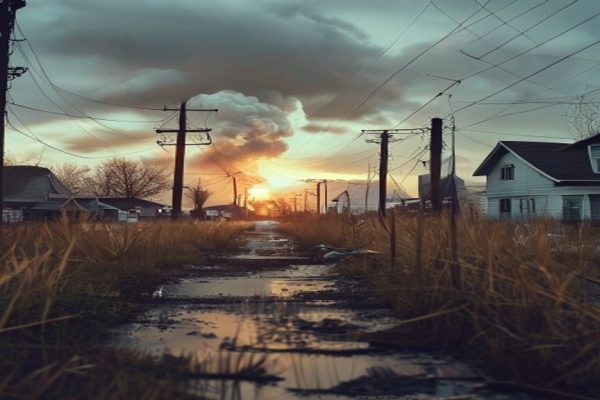
Rising Utility Bills: A Growing Concern for Households
The news of rising utility bills and higher oil and gas prices has sent shockwaves across the globe, leaving many people worried about their energy affordability. According to recent reports, the cost of energy has increased significantly due to a combination of factors, including the ongoing war in the Middle East and the escalating cost of protecting utility infrastructure from extreme weather events.
As the world grapples with the complexities of energy production and distribution, households are feeling the pinch. Higher utility bills are not only a concern for individuals but also for businesses, small and large, who are struggling to stay afloat in an increasingly competitive market.
The Middle East Conflict: A Key Driver of Rising Energy Prices
The ongoing war in the Middle East has had a profound impact on the global energy market. The conflict has disrupted oil production, causing prices to skyrocket. As a result, oil prices have risen to record highs, making energy more expensive for consumers.
But the Middle East conflict is not the only factor contributing to rising energy prices. The increasing cost of protecting utility infrastructure from extreme weather events is also playing a significant role. As the world experiences more frequent and intense natural disasters, the cost of repairing and rebuilding damaged infrastructure is escalating.
The Cost of Weather-Related Disasters: A Growing Concern
Extreme weather events, such as hurricanes, wildfires, and floods, are becoming more frequent and intense due to climate change. These events are not only causing damage to property but also to utility infrastructure, leading to higher costs for households and businesses.
The financial burden of weather-related disasters is substantial. According to a recent report, the cost of repairing and rebuilding damaged infrastructure can be as high as $10 billion in a single year. This is a significant burden for governments, businesses, and households, who are already struggling to cope with the rising cost of energy.
What Can Be Done to Mitigate the Impact of Rising Utility Bills?
So, what can be done to mitigate the impact of rising utility bills? One possible solution is to invest in renewable energy sources, such as solar and wind power. These sources are becoming increasingly cost-effective and can help reduce reliance on fossil fuels.
Another solution is to improve energy efficiency in buildings and homes. By investing in energy-efficient appliances and insulation, households can reduce their energy consumption and lower their utility bills.
Finally, governments and businesses can work together to develop policies and programs that support low-income households and small businesses struggling to cope with the rising cost of energy.
Conclusion
The rising cost of utility bills is a complex issue with multiple factors contributing to its complexity. The ongoing war in the Middle East, the escalating cost of protecting utility infrastructure from extreme weather events, and the increasing cost of energy are all playing a significant role. To mitigate the impact of rising utility bills, it is essential to invest in renewable energy sources, improve energy efficiency, and develop policies and programs that support low-income households and small businesses.
- Invest in renewable energy sources, such as solar and wind power.
- Improve energy efficiency in buildings and homes.
- Develop policies and programs that support low-income households and small businesses.
- Reduce reliance on fossil fuels.
- Invest in energy storage technologies.
By working together, we can find solutions to the complex issue of rising utility bills and create a more sustainable and equitable energy future for all.






Leave a Reply