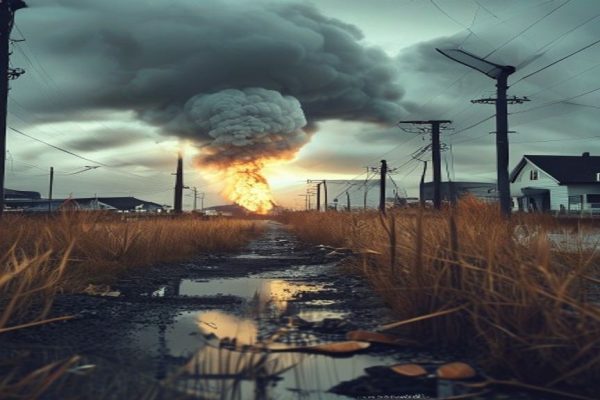
The Perfect Storm of Rising Utility Bills
Rising utility bills and higher oil and gas prices are a concern for many people around the world. The situation is being exacerbated by the ongoing war in the Middle East and the increasing cost of protecting utility infrastructure from more extreme weather.
The war in the Middle East has led to a significant disruption in global oil supplies, resulting in increased prices. This, in turn, has led to higher costs for oil and gas, which are used to generate electricity, heat homes, and power industries. The cost of protecting utility infrastructure from extreme weather events, such as hurricanes and wildfires, is also on the rise. This is due to the increasing frequency and severity of these events, which are being exacerbated by climate change.
The Human Impact of Rising Utility Bills
The human impact of rising utility bills cannot be overstated. For many people, the cost of paying their utility bills is becoming unsustainable. This is particularly true for low-income households, who are often forced to make difficult choices between paying their utility bills and paying for basic necessities like food and housing.
- According to a recent survey, nearly 60% of low-income households are struggling to pay their utility bills.
- The average household in the United States spends over $2,000 per year on utility bills, with many households paying significantly more.
- The cost of paying utility bills is not just a financial burden, but also a significant source of stress and anxiety for many people.
The Economic Implications of Rising Utility Bills
The economic implications of rising utility bills are far-reaching and potentially devastating. Higher utility bills can lead to reduced economic activity, as people and businesses are forced to reduce their spending in order to pay their bills. This can have a ripple effect throughout the economy, leading to job losses and business closures.
- A study by the National Energy Assistance Directors’ Association found that every dollar increase in utility bills can lead to a $1.35 reduction in economic activity.
- The cost of paying utility bills is also a significant burden for businesses, which can lead to reduced profits and potentially even bankruptcy.
- The economic implications of rising utility bills are not just limited to the United States, but are a global concern.
What Can Be Done to Address Rising Utility Bills?
There are several steps that can be taken to address the issue of rising utility bills. These include:
- Increasing energy efficiency in buildings and homes, which can help reduce energy consumption and lower utility bills.
- Investing in renewable energy sources, such as solar and wind power, which can help reduce reliance on fossil fuels and lower utility bills.
- Implementing policies to help low-income households pay their utility bills, such as subsidies and payment plans.
In conclusion, the issue of rising utility bills is a complex and multifaceted problem that requires a comprehensive solution. By increasing energy efficiency, investing in renewable energy, and implementing policies to help low-income households, we can help reduce the burden of rising utility bills and create a more sustainable future for all.
This article will be updated as new information becomes available.
Image Prompt: A photograph of a person holding a utility bill, with a worried expression on their face. The background of the image should be a blurred representation of a cityscape, with buildings and cars in the distance. The image should convey a sense of worry and uncertainty, and should be shot in a way that emphasizes the human impact of rising utility bills.
Category: Business






Leave a Reply