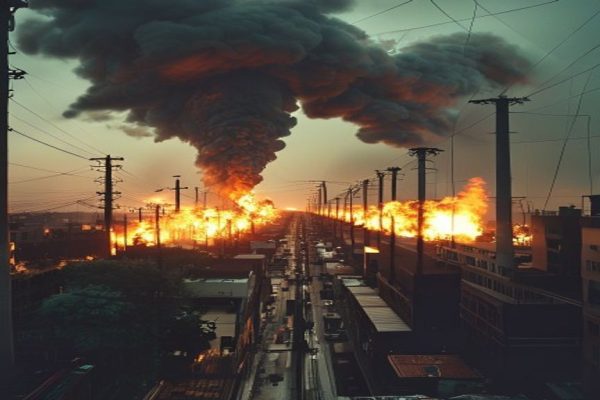
The Perfect Storm: Rising Utility Bills and Oil Prices Converge
The world is facing a perfect storm of rising utility bills and higher oil and gas prices, leaving many people concerned about their financial future. The ongoing war in the Middle East, coupled with the increasing cost of protecting utility infrastructure from more extreme weather events, has created a perfect recipe for economic uncertainty.
Rising utility bills are a concern for many households, as the cost of energy continues to soar. In the United States, for example, the average American household spends over $1,300 per year on electricity, with prices expected to rise by an additional 10% in the coming months. Similarly, oil and gas prices have reached record highs, with Brent crude oil prices surpassing $120 per barrel.
The Middle East Conflict: A Key Driver of Oil Price Volatility
The ongoing conflict in the Middle East, particularly in Ukraine and the Middle East region, has been a major driver of oil price volatility. The conflict has disrupted oil production and transportation, leading to a shortage of supply and subsequent price hikes. The impact of the conflict on oil prices has been exacerbated by the ongoing sanctions on Russia, which have further reduced oil production and exports.
The cost of protecting utility infrastructure from extreme weather events is also a significant factor contributing to rising utility bills. As climate change continues to intensify, the frequency and severity of extreme weather events, such as hurricanes and wildfires, are on the rise. This has led to increased costs for utilities to maintain and upgrade their infrastructure, which are ultimately passed on to consumers in the form of higher utility bills.
The Human Impact: How Rising Utility Bills and Oil Prices Affect Households
Rising utility bills and oil prices have a disproportionate impact on low-income households, who often spend a larger percentage of their income on energy costs. In the United States, for example, low-income households spend an average of 11% of their income on energy costs, compared to just 3% for high-income households.
The human impact of rising utility bills and oil prices is also evident in the increased number of households struggling to pay their energy bills. In the United Kingdom, for example, over 1 million households are in debt to their energy providers, with many more at risk of falling behind on their payments.
Key Points:
- Rising utility bills and oil prices are a concern for many households, with the cost of energy expected to rise by 10% in the coming months.
- The ongoing conflict in the Middle East has been a major driver of oil price volatility.
- The cost of protecting utility infrastructure from extreme weather events is also a significant factor contributing to rising utility bills.
- Rising utility bills and oil prices have a disproportionate impact on low-income households.
- Over 1 million households in the United Kingdom are in debt to their energy providers.
A Way Forward: Solutions to Mitigate the Impact of Rising Utility Bills and Oil Prices
While the situation appears bleak, there are solutions that can help mitigate the impact of rising utility bills and oil prices. One such solution is the adoption of renewable energy sources, such as solar and wind power, which can reduce dependence on fossil fuels and lower energy costs.
Another solution is the implementation of energy-efficient technologies, such as smart thermostats and LED light bulbs, which can help reduce energy consumption and lower utility bills.
Finally, governments and policymakers can play a crucial role in mitigating the impact of rising utility bills and oil prices by implementing policies that support low-income households, such as energy assistance programs and subsidies for renewable energy.
Image Prompt: A photo of a family huddled around a fireplace, with a look of concern on their faces, as they struggle to pay their energy bills amidst rising utility costs and oil prices.






Leave a Reply