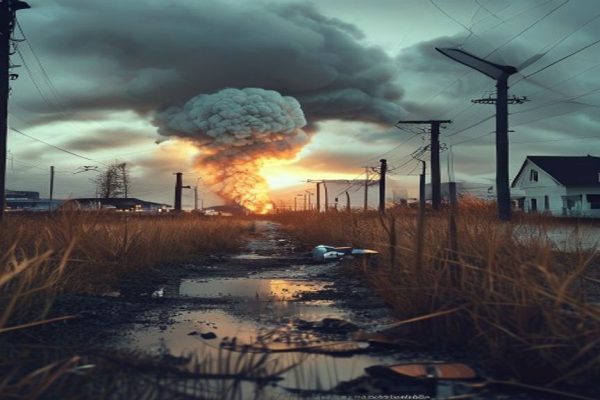
Rising Utility Bills: The Perfect Storm of War, Weather, and Economic Uncertainty
The world is witnessing a perfect storm of rising utility bills, higher oil and gas prices, and economic uncertainty. The war in the Middle East, coupled with the increasing cost of protecting utility infrastructure from more extreme weather events, has created a perfect blend of factors that are pushing up the cost of living for millions of people worldwide.
The War in the Middle East: A Growing Concern for Global Energy Markets
The ongoing conflict in the Middle East has had a significant impact on global energy markets. The region is home to some of the world’s largest oil and gas reserves, and the war has disrupted the supply chain, leading to higher prices. The increased demand for energy, coupled with the reduced supply, has pushed up the cost of oil and gas, which in turn has led to higher utility bills.
The war has also led to a significant increase in the cost of protecting utility infrastructure from more extreme weather events. As the world grapples with the impacts of climate change, the frequency and severity of natural disasters such as hurricanes, wildfires, and floods are increasing. This has led to a rise in the cost of repairing and replacing damaged infrastructure, which is ultimately passed on to consumers in the form of higher utility bills.
The Impact of Extreme Weather Events on Utility Bills
Extreme weather events have become more frequent and severe in recent years, and this trend is expected to continue. The increased cost of repairing and replacing damaged infrastructure, coupled with the cost of protecting infrastructure from more extreme weather events, has led to a significant increase in utility bills.
- According to a report by the International Energy Agency (IEA), the cost of repairing and replacing damaged infrastructure due to extreme weather events is expected to reach $1.7 trillion by 2030.
- A study by the National Oceanic and Atmospheric Administration (NOAA) found that the cost of extreme weather events in the United States alone has increased by 50% over the past decade.
- The World Meteorological Organization (WMO) has warned that the frequency and severity of natural disasters are expected to increase due to climate change, leading to a rise in the cost of utility bills.
The Economic Implications of Rising Utility Bills
The rising cost of utility bills has significant economic implications for individuals, businesses, and governments. The increased cost of living has led to a rise in poverty and inequality, as those who are already struggling to make ends meet are forced to pay more for the basic necessities of life.
The economic implications of rising utility bills are far-reaching and have the potential to impact the global economy. The rising cost of living has led to a decrease in consumer spending, which has a ripple effect on businesses and the broader economy.
Governments around the world are facing pressure to address the issue of rising utility bills. The increased cost of living has led to a rise in social unrest and protests, as people demand action from their governments to address the issue.
What Can Be Done to Address the Issue of Rising Utility Bills?
There are several steps that can be taken to address the issue of rising utility bills. Governments can invest in renewable energy sources, such as solar and wind power, to reduce dependence on fossil fuels and lower the cost of energy.
Utilities can also take steps to reduce energy consumption and lower costs. This can be achieved through the implementation of energy-efficient technologies and practices, such as smart grids and energy-efficient appliances.
Individuals can also take steps to reduce their energy consumption and lower their utility bills. This can be achieved through simple practices such as turning off lights and electronics when not in use, using energy-efficient appliances, and insulating homes to reduce heat loss.
Ultimately, addressing the issue of rising utility bills requires a collaborative effort from governments, utilities, and individuals. By working together, we can find solutions to this complex problem and create a more sustainable and equitable future for all.
In conclusion, the rising cost of utility bills is a complex issue that requires a comprehensive approach. The war in the Middle East, coupled with the increasing cost of protecting utility infrastructure from more extreme weather events, has created a perfect storm of factors that are pushing up the cost of living for millions of people worldwide.
By investing in renewable energy sources, implementing energy-efficient technologies and practices, and taking simple steps to reduce energy consumption, we can address the issue of rising utility bills and create a more sustainable and equitable future for all.






Leave a Reply