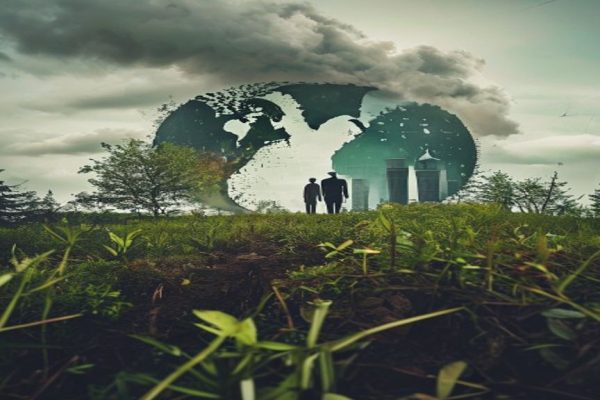
A Looming Environmental Legacy
The world’s largest carbon emitters have left an indelible mark on the environment. As the effects of climate change become increasingly evident, a growing number of experts are arguing that these nations owe a significant debt to future generations. This so-called ‘climate debt’ can be quantified financially, according to some researchers, and it’s a staggering amount that may have far-reaching implications for global policy and governance.
Understanding the Climate Debt
The concept of climate debt is rooted in the idea that countries that have historically contributed the most to greenhouse gas emissions are now responsible for the negative impacts of climate change, such as rising sea levels, more frequent natural disasters, and altered ecosystems. By emitting high levels of carbon dioxide and other pollutants, these nations have altered the global climate, creating a ‘debt’ that must be repaid.
One way to quantify this debt is to calculate the economic costs of climate change. According to a study published in the journal Nature, the economic costs of climate change are estimated to be around $1.2 trillion per year by 2030. This figure is based on the expected impacts of climate change on global GDP, agricultural productivity, and human health.
The Financial Burden of Climate Change
The financial burden of climate change is not limited to economic costs. Climate-related disasters, such as hurricanes, droughts, and wildfires, are also having a significant impact on global finances. In 2020, for example, the United States experienced 22 climate-related disasters that resulted in over $100 billion in damages. This trend is expected to continue, with climate-related disasters projected to become more frequent and intense in the coming years.
The total cost of climate change is also reflected in the financial costs of adapting to a changing climate. Governments around the world are investing heavily in climate resilience and adaptation measures, such as sea walls, flood-control systems, and green infrastructure. These investments are expected to cost trillions of dollars in the coming decades.
- The economic costs of climate change are estimated to be around $1.2 trillion per year by 2030.
- Climate-related disasters are projected to become more frequent and intense in the coming years.
- The financial cost of adapting to a changing climate is expected to be in the trillions of dollars.
A Call to Action
The climate debt is a pressing issue that requires immediate attention. Governments, corporations, and individuals must work together to address the root causes of climate change and mitigate its impacts. This includes transitioning to renewable energy sources, increasing energy efficiency, and protecting natural ecosystems.
The cost of inaction far outweighs the costs of taking action. By investing in climate resilience and adaptation measures, we can reduce the financial burden of climate change and create a more sustainable future for generations to come.
In conclusion, the climate debt is a complex issue that requires a comprehensive approach. By understanding the financial burden of climate change and taking action to mitigate its impacts, we can create a more sustainable future for all.






Leave a Reply