Tesla’s HW3 Cars Won’t Get Unsupervised FSD: A Setback for Autonomous Driving
The recent announcement from Tesla regarding their HW3 cars has sent shockwaves throughout the autonomous driving community. In a move that has left many fans and critics alike scratching their heads, Tesla has confirmed that their HW3 cars will not be getting unsupervised Full Self-Driving (FSD) capabilities.
For those who may be unfamiliar, the HW3 (Hardware 3) is a significant update to Tesla’s Autopilot system, which forms the backbone of the company’s FSD technology. The HW3 upgrade is designed to provide improved computer vision, radar, and sensor capabilities, allowing for more advanced autonomous driving features.
However, despite the HW3’s impressive specs, Tesla has decided to hold back on granting unsupervised FSD capabilities to these vehicles. This means that even with the HW3 upgrade, Tesla owners will not be able to rely solely on their car’s autonomous systems to navigate complex roads and scenarios.
So, what does this mean for Tesla owners and the wider autonomous driving community? Let’s take a closer look at the implications of this decision.
Why the Hold-Back?
The reason behind Tesla’s decision to hold back on unsupervised FSD capabilities for HW3 cars is still unclear. However, there are several possible explanations:
- Regulatory Concerns: One possible reason is that Tesla is waiting for regulatory approval before granting unsupervised FSD capabilities to their HW3 cars. With increasing scrutiny from government agencies and safety advocates, Tesla may be playing it safe and holding back until they receive the necessary approval.
- Technical Challenges: Another possibility is that Tesla is still working through technical challenges related to the HW3 upgrade. The company may be struggling to perfect the computer vision and sensor capabilities required for unsupervised FSD, and is therefore holding back until they are satisfied with the results.
- Liability Concerns: Tesla may also be concerned about liability issues related to unsupervised FSD. If anything were to go wrong while a Tesla car is in autonomous mode, the company could be held liable. By holding back on unsupervised FSD capabilities, Tesla is potentially shielding itself from these risks.
What Does This Mean for Tesla Owners?
For Tesla owners with HW3 cars, this decision may come as a disappointment. While they will still have access to advanced Autopilot features, they will not be able to rely on their car’s autonomous systems to handle complex driving scenarios. This may limit their ability to use their car for long road trips or in situations where they need to focus on other tasks.
However, it’s worth noting that Tesla has always been clear about the limitations of their Autopilot system. In their release notes and user agreements, Tesla has consistently stated that their system is not capable of fully autonomous driving and should not be relied upon in all situations.
What’s Next for Autonomous Driving?
Despite this setback, the autonomous driving community is not losing hope. In fact, this decision may be seen as a necessary step towards perfecting the technology. By holding back on unsupervised FSD capabilities, Tesla is giving themselves more time to refine their system and address the technical challenges that still exist.
As the industry continues to evolve, we can expect to see even more advanced autonomous driving features being developed. Companies like Waymo, Cruise, and Argo are already making significant strides in this area, and it’s likely that we will see widespread adoption of autonomous driving technology in the coming years.
Image Prompt:
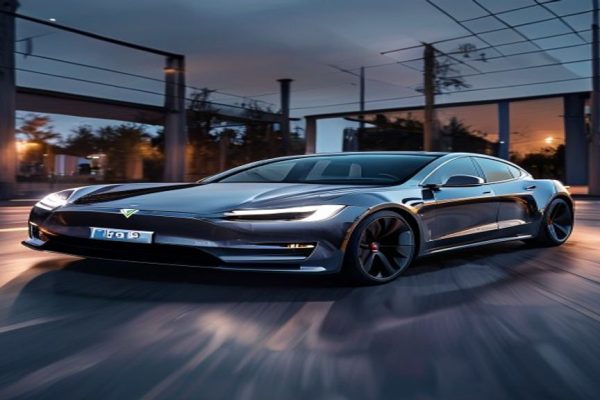
A futuristic illustration of a Tesla car driving autonomously down a highway, with a cityscape in the background. The car is shown with a sleek, high-tech design, and the Autopilot system is highlighted in a prominent display. The image should convey a sense of innovation and progress, while also hinting at the challenges and limitations that still exist in the field of autonomous driving.






Leave a Reply