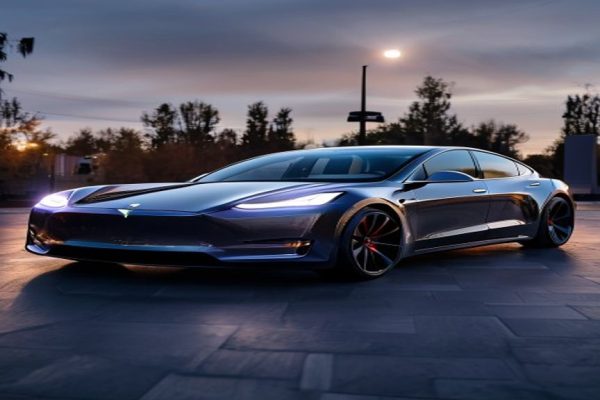
Tesla’s Shift in Strategy: From Luxury to Accessibility
Tesla, Inc., the pioneering electric vehicle (EV) manufacturer led by Elon Musk, has been making waves in the automotive industry with its innovative products and technology. However, the company’s ambitious plan to launch a $25,000 Model 2 in 2024 was abruptly cancelled. The decision sparked widespread speculation about Tesla’s future direction, particularly in the context of its self-driving technology, which has been facing significant challenges. As we delve into the reasons behind this shift in strategy, it becomes clear that Tesla is revisiting its commitment to affordable electric options.
The Rise and Fall of the Affordable Tesla Model 2
In 2024, Tesla announced plans to launch a new, more affordable Model 2, priced at $25,000. The move was seen as a strategic attempt by the company to expand its market reach and make electric vehicles more accessible to a broader audience. However, less than a year later, Musk announced the cancellation of the project, citing production and logistical complexities. The abrupt cancellation raised questions about Tesla’s commitment to affordability and its long-term vision for the EV market.
Self-Driving Setbacks and the Need for Affordable Options
Tesla’s self-driving technology, Autopilot, has been a key area of focus for the company. However, the technology has been plagued by setbacks, including high-profile accidents and regulatory scrutiny. The setbacks have forced Tesla to reassess its priorities and reevaluate its investment in self-driving technology. In light of these challenges, the need for affordable electric options has become increasingly pressing. By revisiting its plan for a more affordable Model 2, Tesla is acknowledging the importance of accessibility in the EV market.
The benefits of affordable electric vehicles are multifaceted. Not only do they make EVs more accessible to a broader audience, but they also help to reduce greenhouse gas emissions and promote sustainable transportation. As governments around the world implement policies to encourage the adoption of electric vehicles, the demand for affordable options is likely to increase. By meeting this demand, Tesla can not only expand its market share but also contribute to a more sustainable future.
Key Takeaways:
- Tesla has cancelled its plan to launch a $25,000 Model 2, citing production and logistical complexities.
- The cancellation of the project has raised questions about Tesla’s commitment to affordability and its long-term vision for the EV market.
- Tesla’s self-driving technology has been plagued by setbacks, forcing the company to reassess its priorities and reevaluate its investment in Autopilot.
- The need for affordable electric options has become increasingly pressing, particularly in light of the challenges facing Tesla’s self-driving technology.
- The benefits of affordable electric vehicles include reduced greenhouse gas emissions, increased accessibility, and promotion of sustainable transportation.
As Tesla revisits its plan for a more affordable Model 2, the company is acknowledging the importance of accessibility in the EV market. By meeting this demand, Tesla can not only expand its market share but also contribute to a more sustainable future. As the automotive industry continues to evolve, one thing is clear: the future of electric vehicles will be shaped by companies that prioritize accessibility, sustainability, and innovation.
Future Implications: A New Era for Tesla and the EV Market
The implications of Tesla’s shift in strategy are far-reaching. As the company revisits its plan for a more affordable Model 2, it is sending a clear signal to the market: Tesla is committed to making electric vehicles more accessible and sustainable. This shift in strategy has significant implications for the EV market, particularly for companies that have been slow to adapt to the changing landscape.
The future of the EV market will be shaped by companies that prioritize innovation, sustainability, and accessibility. As governments around the world implement policies to encourage the adoption of electric vehicles, the demand for affordable options is likely to increase. By meeting this demand, Tesla can establish itself as a leader in the EV market and drive the adoption of sustainable transportation.
In conclusion, Tesla’s shift in strategy is a significant development in the automotive industry. The company’s decision to revisit its plan for a more affordable Model 2 is a testament to its commitment to making electric vehicles more accessible and sustainable. As the EV market continues to evolve, one thing is clear: the companies that prioritize innovation, sustainability, and accessibility will be the ones to shape the future of transportation.
Image Prompt:
A futuristic illustration of a Tesla Model 2 driving down a highway, with a cityscape in the background. The car is surrounded by a halo of light, symbolizing its cutting-edge technology and sustainable energy source. The image should convey a sense of innovation, accessibility, and sustainability, highlighting the benefits of electric vehicles and the importance of making them more affordable and accessible to a broader audience.






Leave a Reply