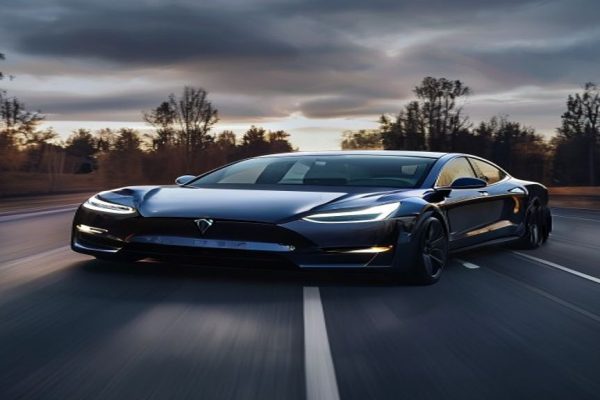
Tesla Delays Unsupervised Full Self-Driving (FSD) on HW3 Vehicles
Tesla has made a significant announcement regarding their Full Self-Driving (FSD) technology, which has been a cornerstone of their autonomous driving ambitions. According to recent reports, Tesla cars equipped with Hardware 3 (HW3) will not be receiving unsupervised FSD capabilities. This decision has raised questions and sparked debate among industry experts and enthusiasts alike.
Background on Tesla’s FSD and HW3
Tesla’s FSD technology is designed to enable vehicles to navigate complex roads and traffic scenarios without human intervention. The company has been developing this technology for several years, and it has made significant progress in recent times. However, the FSD system still requires human oversight, especially in situations where the vehicle is unsure or cannot make a decision.
HW3 is the third generation of Tesla’s Autopilot hardware, which was introduced in 2016. It features a range of sensors, including cameras, radar, and ultrasonic sensors, which work together to provide a comprehensive view of the vehicle’s surroundings. HW3 is designed to support more advanced FSD capabilities, including the ability to change lanes and navigate complex intersections.
Why the Delay on Unsupervised FSD?
The decision to delay unsupervised FSD on HW3 vehicles is likely due to a combination of factors. One reason may be the complexity of the FSD system and the need for further refinement before it can be trusted to operate unsupervised. Tesla has faced criticism in the past for releasing beta versions of FSD that were not yet ready for widespread use.
Another reason for the delay may be the regulatory landscape. Governments around the world are still grappling with the implications of autonomous vehicles, and there is a growing need for clear guidelines and regulations to ensure public safety. Tesla may be waiting for clarity on these regulations before releasing unsupervised FSD.
Implications for Autonomous Driving
The delay on unsupervised FSD on HW3 vehicles has significant implications for the development of autonomous driving technology. While Tesla’s FSD system is considered one of the most advanced in the industry, other companies, such as Waymo and Cruise, are also working on similar technologies.
The delay may give these companies an opportunity to catch up and establish themselves as leaders in the autonomous driving space. However, it also highlights the complexity and challenges associated with developing FSD technology that can be trusted to operate unsupervised.
In the short term, Tesla’s decision to delay unsupervised FSD on HW3 vehicles may be seen as a setback for the company’s autonomous driving ambitions. However, it may also be a necessary step to ensure the safety and reliability of the FSD system.
Future Implications and Timeline
The timeline for Tesla’s FSD technology is uncertain, and the company has not provided a clear timeline for when unsupervised FSD will be available on HW3 vehicles. However, it is likely that the company will continue to refine and improve the FSD system in the coming months and years.
As the autonomous driving industry continues to evolve, we can expect to see significant advancements in FSD technology. While the delay on unsupervised FSD on HW3 vehicles may be a setback for Tesla, it also highlights the complexity and challenges associated with developing this technology. With continued investment and innovation, we can expect to see significant progress in the development of autonomous driving systems in the years to come.
- Tesla has delayed unsupervised Full Self-Driving (FSD) on HW3 vehicles.
- The delay is likely due to the complexity of the FSD system and the need for further refinement.
- The regulatory landscape is also a factor, with governments still grappling with the implications of autonomous vehicles.
- The delay may give other companies an opportunity to catch up and establish themselves as leaders in the autonomous driving space.
- Tesla’s FSD system is considered one of the most advanced in the industry, but it still requires human oversight in many situations.






Leave a Reply