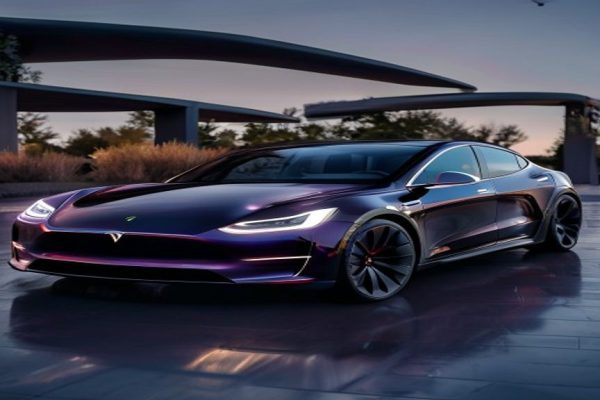
Elon Musk’s ambitious plans for a $25,000 Tesla Model 2 have been a subject of intrigue and speculation within the automotive industry. Initially announced in 2024, the affordable electric vehicle (EV) was intended to cater to a broader market, making sustainable transportation more accessible to the masses. However, the project’s cancellation sparked uncertainty among fans and investors alike.
Fast forward to the present, and it appears that Tesla is reassessing its priorities, with the company’s self-driving technology facing significant challenges. The setbacks have raised concerns about the feasibility of Tesla’s autonomous driving ambitions, prompting a reevaluation of the company’s product lineup.
A Cheaper Tesla: Why Now?
The revival of a cheaper Tesla model can be attributed to several factors. Firstly, the self-driving technology, which was expected to be a differentiator for Tesla’s higher-end models, is proving to be more complex and time-consuming to develop than anticipated. The setbacks have led to increased costs and a delay in the rollout of the technology, making it more challenging for Tesla to maintain its premium pricing strategy.
Secondly, the automotive market is witnessing a surge in demand for affordable EVs. As governments worldwide implement stricter emissions regulations, consumers are increasingly turning to electric vehicles as a more environmentally friendly option. By offering a cheaper Tesla model, the company can tap into this growing market and increase its market share.
The Benefits of a Cheaper Tesla
- Increased accessibility: A more affordable Tesla model can make sustainable transportation more accessible to a broader demographic, contributing to a faster adoption of electric vehicles.
- Market share growth: By catering to the growing demand for affordable EVs, Tesla can expand its market share and solidify its position as a leader in the industry.
- Competitive edge: A cheaper Tesla model can help the company differentiate itself from competitors, such as Chevrolet and Nissan, which are also expanding their EV offerings.
Challenges and Future Implications
While a cheaper Tesla model can bring numerous benefits, the company still needs to navigate several challenges. The development of the self-driving technology must be accelerated, and the production process must be optimized to maintain profitability. Furthermore, Tesla must ensure that the cheaper model does not compromise on quality, safety, and performance, which are critical factors for the brand’s reputation and customer loyalty.
The implications of a cheaper Tesla model extend beyond the automotive industry. A more affordable EV can have a significant impact on the environment, contributing to reduced greenhouse gas emissions and air pollution. As governments continue to implement stricter emissions regulations, the demand for sustainable transportation solutions is likely to increase, making Tesla’s decision to revive a cheaper model a strategic move in the right direction.
In conclusion, Tesla’s decision to reconsider a cheaper model is a response to the changing landscape of the automotive industry. With self-driving technology facing challenges and market demand shifting towards affordable EVs, the company is reassessing its priorities to remain competitive and achieve its sustainability goals. As the industry continues to evolve, one thing is certain – Tesla’s decision to revive a cheaper model will have far-reaching implications for the company, its customers, and the environment.
Related: Tesla’s Self-Driving Technology: Challenges and Opportunities






Leave a Reply