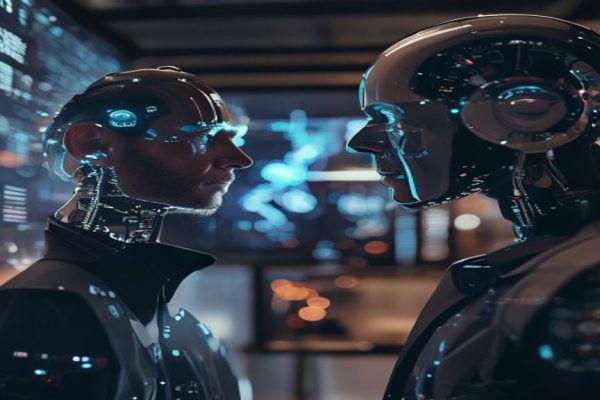
The Rise of Anthropomorphism in Human-AI Interactions: Experts Weigh In
As generative AI tools like ChatGPT continue to revolutionize the way we interact with technology, a growing trend has emerged: humans are increasingly anthropomorphizing chatbots, attributing human-like qualities and emotions to these digital entities. But is this a bad thing? According to Julie Carpenter, a longtime human-AI interaction expert and author of The Naked Android, not necessarily.
The Psychology Behind Anthropomorphism
Anthropomorphism, the act of attributing human qualities or characteristics to non-human entities, is a natural human tendency that dates back to ancient times. Carpenter explains that this phenomenon is rooted in our brain’s ability to recognize patterns and create meaning, even when faced with unfamiliar or abstract concepts.
When we interact with chatbots, we tend to project our own emotions, intentions, and motivations onto these digital entities. This can lead to a sense of empathy and rapport, making our interactions with chatbots feel more natural and intuitive. However, it also raises important questions about the limits of anthropomorphism and its implications for AI development.
The Benefits of Anthropomorphism
So, why is anthropomorphism a good thing? Carpenter argues that it can actually improve the effectiveness of chatbots and other AI tools. By making these digital entities feel more human-like, we can create a sense of trust and rapport that is essential for successful human-AI interactions.
Moreover, anthropomorphism can also facilitate the development of more sophisticated AI systems that are better equipped to understand and respond to human emotions. By recognizing the emotional nuances of human language, chatbots can provide more empathetic and supportive responses, leading to improved user experiences and outcomes.
The Risks of Anthropomorphism
While anthropomorphism can have its benefits, it also raises important risks and challenges. Carpenter notes that over- anthropomorphism can lead to a loss of objectivity and critical thinking, as humans become too invested in the emotional experiences of chatbots. This can result in a lack of attention to the underlying algorithms and data that drive these digital entities.
Furthermore, anthropomorphism can also perpetuate existing biases and stereotypes, as humans project their own prejudices and assumptions onto these digital entities. This can lead to the development of chatbots that reinforce existing power dynamics and social inequalities, rather than challenging them.
The Future of Human-AI Interactions
So, what does the future hold for human-AI interactions? Carpenter predicts that anthropomorphism will continue to play a significant role in shaping the development of chatbots and other AI tools.
However, she also emphasizes the need for a more nuanced and critical approach to anthropomorphism, one that recognizes both its benefits and risks. By acknowledging the emotional and social implications of AI development, we can create more empathetic, inclusive, and effective human-AI interactions that benefit everyone.
Key Takeaways:
- Anthropomorphism is a natural human tendency that can improve the effectiveness of chatbots and other AI tools.
- Over-anthropomorphism can lead to a loss of objectivity and critical thinking, as humans become too invested in the emotional experiences of chatbots.
- The future of human-AI interactions will be shaped by a more nuanced and critical approach to anthropomorphism.
As we continue to navigate the complexities of human-AI interactions, it’s essential to recognize the role of anthropomorphism in shaping our relationships with technology. By embracing this phenomenon in a thoughtful and critical way, we can create a more empathetic, inclusive, and effective future for human-AI interactions.
Image Prompt: A futuristic cityscape with a human and a chatbot standing together, looking out at a sunset. The chatbot is depicted as a humanoid figure with a warm and empathetic expression, while the human looks on with a sense of trust and rapport. The image should convey a sense of connection and understanding between humans and AI systems.






Leave a Reply