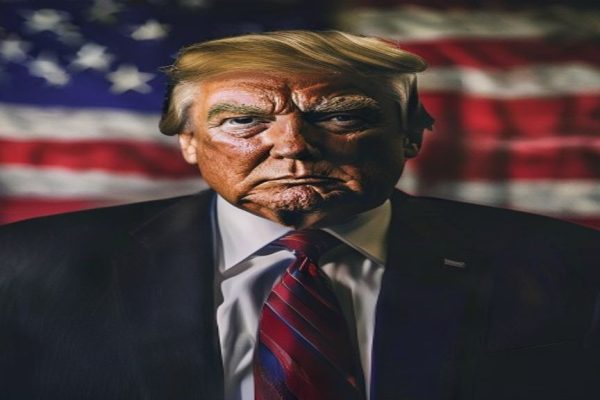
Trump’s War on Iran: A Global Trade Threat
The ongoing tensions between the United States and Iran have been escalating for months, with President Donald Trump’s administration imposing severe sanctions on the Middle Eastern nation. A recent report by the World Trade Organization (WTO) has sounded the alarm on the potential risks of this conflict to global trade and economic growth.
The WTO Report: A Warning on Global Trade Disruptions
The WTO report warns that a full-scale war between the US and Iran could lead to a significant disruption in global trade, particularly in the areas of oil and gas exports. Iran is a major oil producer, and any disruption to its exports could have far-reaching consequences for countries that rely heavily on these energy resources.
The report also highlights the potential impact on fertilizer costs, which could lead to slower GDP growth. Fertilizers are a critical component of agricultural production, and any increase in costs could have a ripple effect throughout the entire supply chain.
The Economic Implications of a War with Iran
The economic implications of a war with Iran are multifaceted and far-reaching. A conflict of this magnitude could lead to a significant increase in oil prices, which would have a direct impact on economic growth. The WTO report estimates that a 10% increase in oil prices could lead to a 1% decrease in global GDP growth.
In addition to the direct economic impacts, a war with Iran could also lead to a broader decline in investor confidence. This could have a negative impact on the stock market, making it more difficult for businesses to access capital and invest in growth initiatives.
The Global Trade Landscape: A Complex Web of Interconnected Economies
The global trade landscape is a complex web of interconnected economies, with countries relying on each other for goods and services. A disruption to one part of this web could have far-reaching consequences for countries that are not directly involved in the conflict.
The WTO report highlights the need for countries to work together to mitigate the risks associated with a war with Iran. This could involve implementing measures to reduce the impact of oil price shocks, such as stockpiling or diversifying energy supplies.
Ultimately, the risk of a war with Iran serves as a reminder of the interconnectedness of the global economy. A conflict of this magnitude could have far-reaching consequences for countries around the world, making it essential for policymakers to work together to mitigate these risks.
- The WTO report warns of a potential disruption to global trade and economic growth in the event of a war with Iran.
- A conflict of this magnitude could lead to a significant increase in oil prices, which would have a direct impact on economic growth.
- The global trade landscape is a complex web of interconnected economies, with countries relying on each other for goods and services.
- A disruption to one part of this web could have far-reaching consequences for countries that are not directly involved in the conflict.
Key Players in the Conflict
The conflict between the US and Iran involves several key players, including:
- President Donald Trump: The US president has been a vocal critic of Iran’s nuclear program and has imposed severe sanctions on the country.
- Iranian President Hassan Rouhani: Rouhani has vowed to resist US pressure and has called for international support in the face of US aggression.
- The International Community: The global community has been working to mediate a peaceful resolution to the conflict, with countries such as China, Russia, and the European Union playing a key role in diplomatic efforts.
Conclusion
The risk of a war with Iran serves as a reminder of the interconnectedness of the global economy. A conflict of this magnitude could have far-reaching consequences for countries around the world, making it essential for policymakers to work together to mitigate these risks.
In conclusion, the WTO report highlights the need for countries to work together to mitigate the risks associated with a war with Iran. This could involve implementing measures to reduce the impact of oil price shocks, such as stockpiling or diversifying energy supplies.
Ultimately, the fate of global trade and economic growth hangs in the balance. It is up to policymakers to work together to prevent a conflict of this magnitude and ensure a peaceful resolution to the tensions between the US and Iran.






Leave a Reply