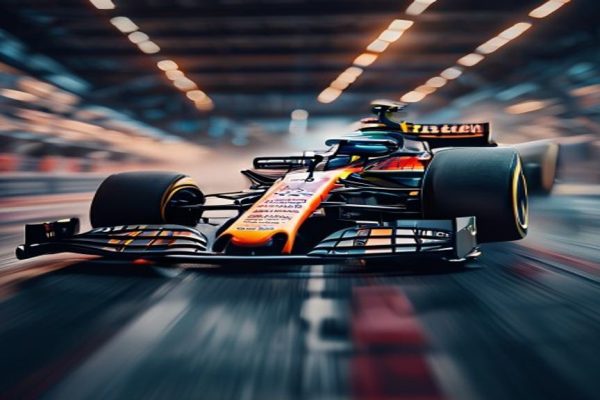
The Thrill of Close Races
In the world of Formula-1, the margin between victory and defeat is measured in milliseconds. The slightest advantage can turn into a significant gap after just one lap, making the sport a thrilling spectacle for fans worldwide. The level of engineering and technological innovation in Formula-1 is unprecedented, with teams constantly pushing the boundaries of what is possible.
The Role of Engineering in Formula-1 Success
Engineering plays a crucial role in Formula-1, with teams employing some of the brightest minds in the industry to develop cutting-edge technologies. From aerodynamics and mechanical design to materials science and computational analysis, every aspect of the car is optimized for speed and performance. The result is a machine that is capable of reaching speeds of over 360 kilometers per hour, with cornering speeds of up to 300 kilometers per hour.
The attention to detail is staggering, with teams analyzing every aspect of the car’s performance, from the shape of the front wing to the design of the tires. The data collected is then used to make subtle adjustments to the car’s setup, often resulting in significant improvements in performance. This process is repeated continuously throughout the season, with teams constantly refining their designs and strategies to stay ahead of the competition.
The Future of Formula-1 Engineering
As the sport continues to evolve, the role of engineering will only become more critical. With the introduction of new regulations and technologies, teams will need to adapt quickly to stay competitive. The use of advanced materials, such as carbon fiber and titanium, will become increasingly prevalent, allowing for lighter and more efficient cars. The integration of artificial intelligence and machine learning will also become more widespread, enabling teams to analyze data and make predictions with greater accuracy.
The future of Formula-1 engineering is poised to be shaped by a range of emerging technologies, including 3D printing, virtual reality, and the Internet of Things (IoT). These innovations will enable teams to design and test cars more efficiently, reducing the time and cost associated with traditional methods. The result will be cars that are faster, more reliable, and more efficient, pushing the boundaries of what is possible in the world of motorsports.
In conclusion, the world of Formula-1 is a testament to human ingenuity and innovation. The level of engineering and technological innovation is truly remarkable, with teams constantly pushing the boundaries of what is possible. As the sport continues to evolve, the role of engineering will only become more critical, shaping the future of motorsports and inspiring a new generation of engineers and technicians.
Key Points:
- Formula-1 is a high-stakes sport where milliseconds can make all the difference.
- Engineering plays a crucial role in Formula-1 success, with teams employing cutting-edge technologies to optimize car performance.
- The attention to detail in Formula-1 is staggering, with teams analyzing every aspect of the car’s performance.
- The future of Formula-1 engineering will be shaped by emerging technologies, including advanced materials, artificial intelligence, and the Internet of Things.
- The sport will continue to evolve, with new regulations and technologies driving innovation and competition.






Leave a Reply