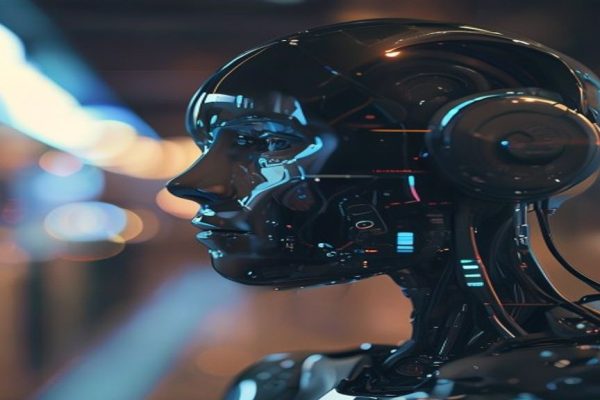
The Rise of Anthropomorphism in AI
The increasing popularity of chatbots and generative AI tools has led to a phenomenon where humans are attributing human-like qualities to these machines. Julie Carpenter, a renowned expert in human-AI interaction, suggests that this is not a matter of user error, but rather a natural consequence of the way these tools are designed.
Generative AI tools, such as ChatGPT, are programmed to respond in a way that mimics human-like conversation. They use context, tone, and language to create a sense of familiarity and rapport with users. However, this can lead to a blurring of the lines between humans and machines, where users begin to attribute human-like emotions, intentions, and even consciousness to these tools.
The Consequences of Anthropomorphism
Anthropomorphism can have serious consequences in the context of AI interaction. For instance, users may become emotionally invested in their interactions with chatbots, leading to feelings of disappointment, frustration, or even attachment. This can be problematic for several reasons:
- It can lead to unrealistic expectations about the capabilities and limitations of AI tools.
- It can create a false sense of intimacy or connection with machines, which can be detrimental to human relationships.
- It can obscure the fact that these tools are ultimately machines, rather than human beings.
Carpenter emphasizes that anthropomorphism is not just a matter of individual user error, but rather a systemic issue that arises from the way these tools are designed and marketed. ‘We need to take responsibility for creating tools that are transparent, accountable, and safe,’ she argues.
The Future of AI Interaction
As AI technology continues to evolve, it is essential to address the issue of anthropomorphism and create more transparent and accountable AI tools. This can be achieved through several strategies, including:
- Designing tools that are more transparent about their limitations and capabilities.
- Providing clear guidelines and warnings about the potential risks and consequences of anthropomorphism.
- Encouraging more research on the psychological and social implications of AI interaction.
By acknowledging the potential risks and consequences of anthropomorphism, we can create a more nuanced and responsible approach to AI interaction. This will not only benefit users but also help to establish a more trustworthy and reliable relationship between humans and machines.
In conclusion, the growing concern of anthropomorphism in AI interaction is a complex issue that requires a multifaceted approach. By recognizing the potential risks and consequences, we can work towards creating more transparent, accountable, and safe AI tools that respect the boundaries between humans and machines.
Image Prompt: An AI-generated image of a person sitting in front of a computer, with a chatbot interface on the screen. The person is looking at the screen with a mix of emotions, while the chatbot interface is displayed with a subtle, yet evident, ‘machine-like’ quality to it. The background of the image should be a blurred, abstract representation of code and circuitry, symbolizing the fusion of human and machine.
Category: Trending






Leave a Reply