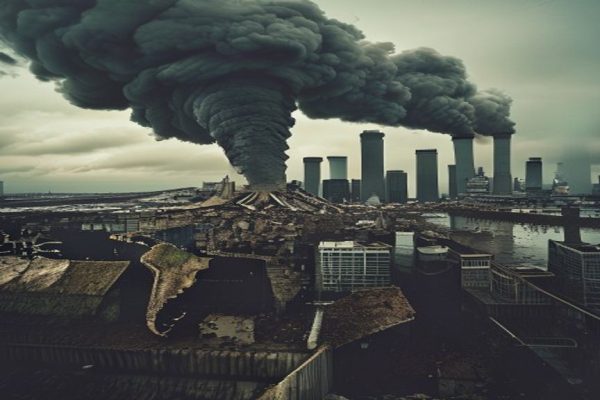
The Devastating Reality of Climate Change
The world’s largest carbon emitters have been pumping greenhouse gases into the atmosphere at an alarming rate, leading to catastrophic consequences for the environment and future generations. The effects of climate change, from rising sea levels to intense natural disasters, are well-documented, but the financial implications are less understood. That is, until now.
Quantifying the Damage: A Financial Debt to Future Generations
Some experts argue that the negative impacts of climate change can be quantified financially, with estimates suggesting that the world’s largest carbon emitters owe a staggering sum to future generations. This debt, while intangible, has real-world consequences for the environment, economies, and societies.
The Economic Cost of Climate Change
Climate change is already having a significant impact on the global economy, with the World Bank estimating that it could cost the world as much as $14 trillion by 2050. The economic costs of climate change are far-reaching, from damage to infrastructure and property to lost productivity and decreased economic growth. The financial burden of climate change is falling on future generations, who will be forced to bear the brunt of the costs.
But how can we quantify this debt? One approach is to use a concept called ‘carbon pricing.’ This involves assigning a monetary value to the carbon emissions of companies and governments, effectively putting a price on pollution. By doing so, we can estimate the total cost of carbon emissions and the debt owed to future generations.
Using this approach, a study by the University of Oxford found that the world’s largest carbon emitters owe a staggering $1.3 trillion to future generations. This debt is largely due to the burning of fossil fuels, which releases greenhouse gases into the atmosphere and contributes to climate change.
The Need for Climate Action
The financial implications of climate change are clear: the world’s largest carbon emitters owe a significant debt to future generations. But what can be done to address this issue? The answer lies in transitioning to a low-carbon economy, where renewable energy sources like solar and wind power are prioritized over fossil fuels.
This will require a significant investment in clean energy infrastructure, as well as policy changes to encourage the adoption of low-carbon technologies. Governments and companies must work together to develop and implement policies that support a low-carbon economy, such as carbon pricing, clean energy subsidies, and green infrastructure investments.
The economic benefits of transitioning to a low-carbon economy are significant. A study by the International Renewable Energy Agency found that a 100% renewable energy future could create up to 24 million jobs globally by 2030, while also reducing greenhouse gas emissions by up to 78%.
The Future of Climate Action
The financial debt owed to future generations is a stark reminder of the urgent need for climate action. As the world’s largest carbon emitters, we have a responsibility to act now to reduce our carbon footprint and transition to a low-carbon economy.
The time for action is now. We must work together to develop and implement policies that support a low-carbon economy, invest in clean energy infrastructure, and prioritize the needs of future generations. By doing so, we can create a more sustainable future for all, while also reducing the financial debt owed to future generations.
Key points:
- The world’s largest carbon emitters owe a significant debt to future generations, estimated at over $1.3 trillion.
- The economic costs of climate change are far-reaching, with estimates suggesting that it could cost the world as much as $14 trillion by 2050.
- Transitioning to a low-carbon economy is crucial to reducing greenhouse gas emissions and addressing the financial implications of climate change.
- A 100% renewable energy future could create up to 24 million jobs globally by 2030, while also reducing greenhouse gas emissions by up to 78%.
Image prompt: A futuristic cityscape with towering wind turbines and solar panels, set against a backdrop of a clear blue sky with a few fluffy white clouds. In the foreground, a group of people of different ages and ethnicities are working together to build a sustainable future, with a large tree in the center of the image symbolizing hope and renewal.






Leave a Reply