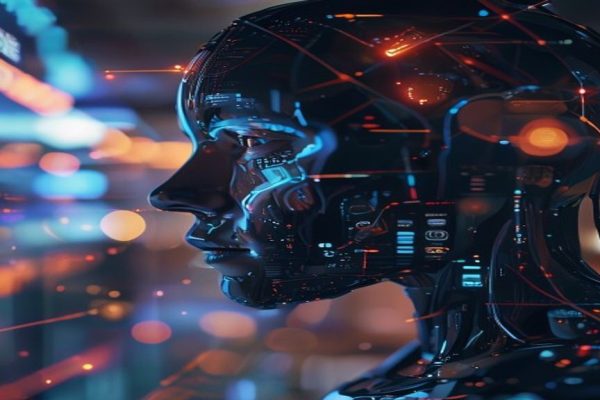
The Rise of Generative AI and Human Interaction
The advent of generative AI tools, exemplified by ChatGPT, has revolutionized the way humans interact with technology. These sophisticated systems can engage in conversations, provide information, and even exhibit creativity. However, a key concern arises when humans begin to attribute human-like qualities to these chatbots, a phenomenon known as anthropomorphism.
Julie Carpenter, a renowned expert in human-AI interaction and author of The Naked Android, suggests that this tendency is not a result of user error, but rather a natural consequence of the way humans process information.
The Psychology Behind Anthropomorphism
Anthropomorphism is a cognitive bias that involves attributing human characteristics or intentions to non-human entities, such as objects, animals, or, in this case, chatbots. This bias is deeply rooted in human psychology, as our brains are wired to recognize patterns and assign meaning to the world around us.
When interacting with chatbots, humans often perceive them as having their own thoughts, feelings, and intentions. This perception is further reinforced by the chatbot’s ability to simulate human-like conversation and respond to user input in a way that feels personalized.
The Consequences of Anthropomorphism in AI
While anthropomorphism may seem harmless, it can have significant consequences in the realm of AI development. By attributing human-like qualities to chatbots, humans may become overly reliant on these systems, leading to a lack of critical thinking and evaluation.
Moreover, anthropomorphism can create unrealistic expectations about the capabilities and limitations of AI. If humans expect chatbots to possess human-like intelligence and empathy, they may be disappointed when these systems fail to deliver.
This can lead to a range of issues, including:
- Overreliance on AI systems
- Lack of critical thinking and evaluation
- Unrealistic expectations about AI capabilities
- Emotional attachment to chatbots
Breaking Down the Barriers: The Future of Human-AI Interaction
To mitigate the risks associated with anthropomorphism, it’s essential to develop a more nuanced understanding of AI capabilities and limitations. By acknowledging the differences between human and machine intelligence, humans can develop more effective and sustainable interactions with chatbots.
Julie Carpenter emphasizes the need for designers and developers to prioritize transparency and clarity in AI design, ensuring that users understand the capabilities and limitations of these systems.
Ultimately, the key to successful human-AI interaction lies in striking a balance between the benefits of anthropomorphism and the risks associated with it. By acknowledging the complexities of human psychology and AI capabilities, we can create more effective, efficient, and sustainable interactions between humans and machines.
As the development of generative AI continues to evolve, it’s essential to address the issue of anthropomorphism head-on. By doing so, we can harness the full potential of these systems while avoiding the pitfalls of over-reliance and unrealistic expectations.
Conclusion
The relationship between humans and AI is becoming increasingly complex, with the blurring of lines between human and machine intelligence. By understanding the psychology behind anthropomorphism and addressing the consequences of this bias, we can develop more effective and sustainable interactions with chatbots.
As we continue to navigate the rapidly evolving landscape of AI, it’s essential to prioritize transparency, clarity, and critical thinking. Only by doing so can we unlock the full potential of these systems and create a brighter future for human-AI interaction.






Leave a Reply