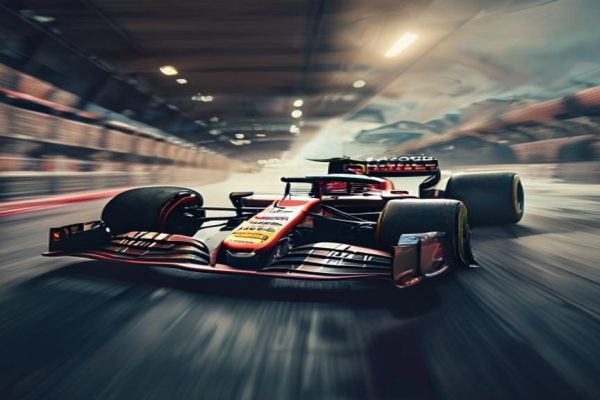
F1’s New Era: A Double-Edged Sword
The world of Formula 1 (F1) has been in the midst of a transformative era, marked by the introduction of new cars and regulations. While the sport has witnessed a surge in popularity, thanks to the electrifying racing, concerns have been raised about the long-term implications of these changes on the sport’s very essence. The governing body, FIA, and the Formula One Group, led by Liberty Media, are caught in the middle of this debate, grappling with the delicate balance between thrilling racing and sporting integrity.
The Allure of New Cars: A Boost in Popularity
The introduction of new cars has brought about a significant shift in the dynamics of F1 racing. The cars are faster, more efficient, and visually stunning, captivating the imagination of fans worldwide. The 2021 season saw a notable increase in viewership, with the British Grand Prix attracting a record-breaking 4.6 million spectators. The sport’s popularity has also extended beyond traditional borders, with a growing fan base in the United States and Asia.
However, beneath the surface of this newfound success lies a web of concerns. The increased focus on aerodynamics and downforce has led to a homogenous grid, with a select few teams dominating the competition. This has sparked debates about the need for a more level playing field and the potential for a return to a more balanced, driver-centric approach.
The Sporting Integrity Conundrum
The new cars have also raised questions about the sport’s sporting integrity. The increased reliance on technology and complex systems has led to a situation where drivers, rather than being the primary driving force behind the car’s performance, are now mere passengers. This has sparked concerns about the role of drivers in F1 and the need for a return to a more driver-centric approach.
The FIA and Formula One Group are aware of these concerns and are actively working to address them. In recent years, the governing body has implemented various regulations aimed at promoting a more level playing field and emphasizing the importance of driver skill and judgment.
A Future of Balance: The Road Ahead
As F1 navigates this new era, it is essential to strike a balance between thrilling racing and sporting integrity. The sport’s governing bodies and stakeholders must work together to create a more sustainable and equitable ecosystem, one that rewards driver skill and strategy while maintaining the high-speed thrills that fans crave.
A potential solution lies in a hybrid approach, combining the best elements of the old and new cars. By introducing regulations that promote a balance between aerodynamics and engine power, F1 can create a more competitive and driver-centric environment, while still maintaining the high-speed thrills that fans love.
The future of F1 hangs in the balance, as the sport’s leaders navigate this complex landscape. Will they be able to strike the perfect balance between thrilling racing and sporting integrity, or will the pressures of commercialization and technological advancement lead to a sport that is more about gadgetry than genuine competition?
One thing is certain: the world of F1 is at a crossroads, and the path ahead will be shaped by the decisions made by its governing bodies and stakeholders.
**Key Points:**
- The introduction of new cars has led to a surge in popularity for F1, with a record-breaking 4.6 million spectators attending the 2021 British Grand Prix.
- The new cars have also raised concerns about the sport’s sporting integrity, with a focus on aerodynamics and downforce leading to a homogenous grid.
- The FIA and Formula One Group are working to address these concerns, implementing regulations aimed at promoting a more level playing field and emphasizing the importance of driver skill and judgment.
- A potential solution lies in a hybrid approach, combining the best elements of the old and new cars.






Leave a Reply