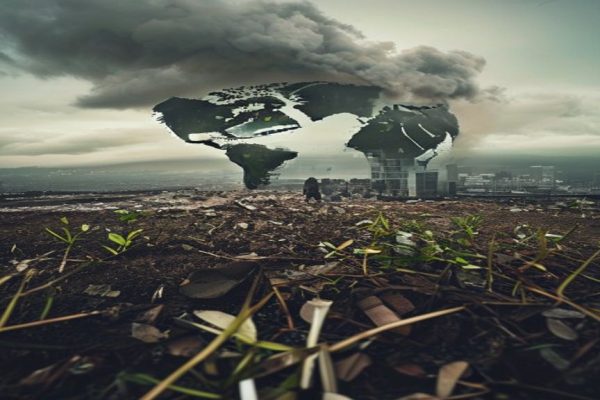
The Devastating Reality of Climate Change
The world is facing an unprecedented crisis, one that threatens the very fabric of our existence. Climate change, a phenomenon that has been extensively studied and documented, has far-reaching consequences that affect not just the environment, but also human societies and economies. The world’s largest carbon emitters, primarily developed countries, have been responsible for releasing massive amounts of greenhouse gases into the atmosphere, driving global warming and its associated impacts.
Quantifying the Climate Debt
Some experts argue that the negative impacts of climate change can be quantified financially, essentially creating a “climate debt” that future generations will have to pay. This debt arises from the costs associated with climate-related disasters, such as hurricanes, wildfires, and droughts, which have severe economic and social consequences. Additionally, the costs of transitioning to renewable energy sources, adapting to a changing climate, and mitigating the worst impacts of global warming also contribute to this debt.
The concept of climate debt is not new, but it has gained significant attention in recent years as the world grapples with the reality of climate change. In 2019, a report by the Stockholm Environment Institute estimated that the world’s largest carbon emitters owe a cumulative debt of around $1.6 trillion to future generations. This figure is likely to continue growing as the world fails to meet its climate targets and greenhouse gas emissions continue to rise.
The Human Cost of Climate Change
Climate change is not just an environmental issue; it has severe human consequences. Rising temperatures, more frequent natural disasters, and changing weather patterns have significant impacts on human health, particularly for vulnerable populations such as the elderly, children, and those living in poverty. Climate-related disasters also lead to displacement, economic instability, and social unrest, exacerbating existing social and economic inequalities.
Furthermore, climate change has severe implications for global food security, water availability, and human migration. As the world’s climate continues to change, we can expect to see more frequent and intense heatwaves, droughts, and storms, which will have devastating impacts on agricultural productivity, human health, and economic stability.
The Path Forward: Climate Justice and Reparations
The concept of climate debt raises important questions about climate justice and reparations. Who should bear the costs of climate change? Should it be the current generation, responsible for the bulk of greenhouse gas emissions, or should it be future generations, who will inherit the consequences of our actions?
The answer lies in a combination of both. Developed countries, responsible for the majority of greenhouse gas emissions, should take the lead in reducing their emissions, transitioning to renewable energy sources, and providing climate finance to developing countries. At the same time, future generations have a right to a safe and sustainable environment, and they should not be burdened with the costs of climate change.
One potential solution is to establish a global climate fund, which would provide financial support to developing countries to adapt to a changing climate, transition to renewable energy sources, and mitigate the worst impacts of global warming. This fund could be financed through a combination of government contributions, carbon pricing, and private sector investment.
- Establish a global climate fund to provide financial support to developing countries.
- Develop countries should take the lead in reducing greenhouse gas emissions and transitioning to renewable energy sources.
- Future generations have a right to a safe and sustainable environment.
- Climate change has severe human consequences, including impacts on human health, displacement, economic instability, and social unrest.
The concept of climate debt is a powerful reminder of our collective responsibility to act on climate change. As we move forward, it is essential that we prioritize climate justice and reparations, ensuring that future generations inherit a safe and sustainable planet.
The world’s largest carbon emitters owe a huge debt to future generations. It’s time to pay the bill.






Leave a Reply