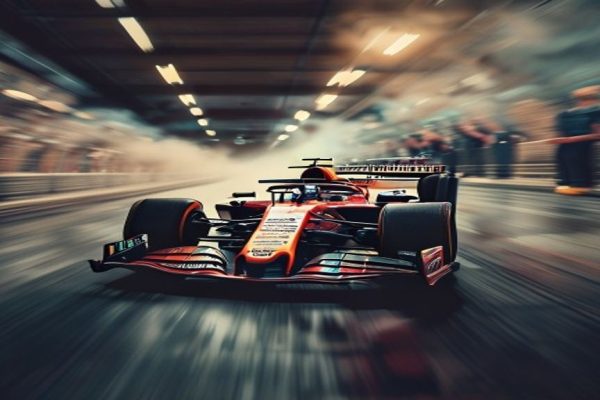
Formula 1’s New Era: A Delicate Balance Between Thrilling Racing and Tradition
Formula 1, the pinnacle of open-wheel racing, has undergone significant changes in recent years. The introduction of new car regulations has brought about faster and more agile vehicles, captivating fans worldwide with their impressive speed and aerodynamic capabilities. However, the sport’s governing body, the FIA, and its commercial rights holder, Liberty Media, are caught in the middle of a heated debate.
On one hand, the new cars have undoubtedly brought a level of excitement and unpredictability to the sport. The increased downforce and improved handling have allowed drivers to showcase their skills and push the limits of their machines, resulting in breathtaking overtakes and nail-biting finishes. The superficial appeal of this back-and-forth racing has drawn in new fans and reinvigorated the interest of existing ones.
On the other hand, the F1 bosses are concerned about the potential consequences of the new cars on the sport they grew up loving. They fear that the increased emphasis on speed and aerodynamics may be compromising the safety and reliability of the cars, potentially leading to more frequent and severe accidents. Additionally, the high-tech nature of the new cars may be pricing out smaller teams and independent constructors, threatening the sport’s diversity and competitive balance.
The FIA’s Dilemma: Balancing Progress with Tradition
The FIA, led by President Mohammed Ben Sulayem, is tasked with finding a balance between promoting the sport’s growth and preserving its core values. The governing body has introduced various measures to address the concerns raised by the new cars, including stricter safety protocols and a more equitable distribution of resources among teams. However, the delicate balance between innovation and tradition remains a challenge.
“We want to ensure that the new cars are safe, reliable, and accessible to all teams,” said Ben Sulayem in a recent statement. “At the same time, we need to continue to push the boundaries of innovation and technology to keep the sport fresh and exciting.”
The Future of F1: A Sport in Transition
The debate surrounding the new cars is just one aspect of a broader conversation about the future of Formula 1. As the sport continues to evolve, it must navigate the challenges of sustainability, cost control, and fan engagement. The FIA and Liberty Media are exploring new initiatives to reduce the sport’s carbon footprint, improve the fan experience, and increase the competitiveness of smaller teams.
“Formula 1 is at a crossroads,” said Stefano Domenicali, CEO of Liberty Media. “We need to adapt to the changing landscape while staying true to the sport’s values and traditions. It’s a delicate balance, but we’re confident that we can find the right path forward.”
- Increased speed and aerodynamics have brought unprecedented excitement to Formula 1.
- The FIA and Liberty Media are concerned about the potential consequences of the new cars on safety, reliability, and the sport’s diversity.
- The governing body is exploring measures to address these concerns, including stricter safety protocols and resource distribution.
- The future of Formula 1 will depend on the sport’s ability to balance innovation with tradition, sustainability, cost control, and fan engagement.
As the debate surrounding the new cars continues, one thing is clear: the future of Formula 1 is uncertain, but its potential is limitless. The sport’s governing body and commercial rights holder must navigate the challenges ahead with caution and creativity, ensuring that the sport remains true to its core values while embracing the changes that will shape its future.
Ultimately, the outcome of this debate will determine the direction of Formula 1 for years to come. Will the sport continue to prioritize speed and aerodynamics, or will it find a balance between excitement and tradition? Only time will tell.






Leave a Reply