The Great F1 Dilemma: Balancing Showmanship and Performance
The world of Formula 1 (F1) is at a crossroads, with its governing body, the FIA, and the commercial rights holders, Liberty Media, caught in the middle of a heated debate. The issue at hand is the impact of the new car regulations on the sport’s core values and the fan experience.
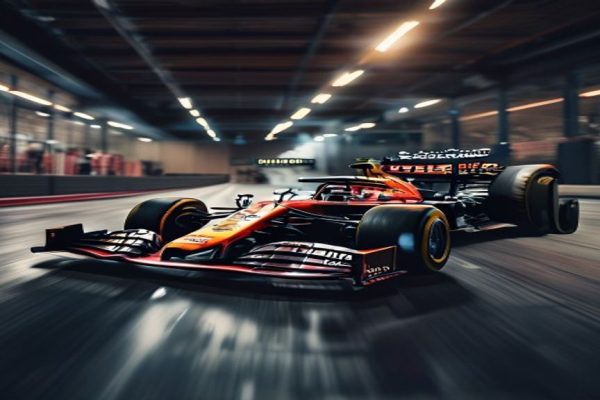
On one hand, the new cars have brought a level of spectacle and excitement to the sport, with their impressive aerodynamic capabilities and high-speed cornering. The fans love the close racing, and the drivers are thrilled to be pushing their machines to the limit. However, F1’s bosses are concerned that the new cars are compromising the sport’s performance and safety.
The FIA and Liberty Media are walking a tightrope, trying to balance the need for competitive racing with the requirement for safe and sustainable cars. The new regulations have introduced complex aerodynamic rules, which have led to a surge in cornering speed and a reduction in tire life. While this has created thrilling racing, it has also increased the risk of accidents and decreased the lifespan of the tires.
One of the main concerns is the impact of the new cars on the track surface. The increased downforce has put a strain on the tires, leading to a higher risk of blistering and degradation. This has resulted in a higher incidence of tire failures, which can be catastrophic on the high-speed circuits. The FIA and Liberty Media are working closely with the teams to find a solution to this problem, but it’s a complex issue that requires a delicate balance of performance and safety.
Another issue is the environmental impact of the new cars. The FIA has introduced new regulations aimed at reducing the carbon footprint of the sport, including a limit on the amount of fuel that can be used during a race. However, the new cars are consuming more energy than ever before, which is counterintuitive to the FIA’s goal of reducing emissions. The FIA and Liberty Media are exploring ways to improve the fuel efficiency of the cars, but it’s a challenge that requires significant technological advancements.
The F1 bosses are also concerned about the impact of the new cars on the sport’s long-term viability. The high costs associated with developing and maintaining the complex aerodynamic systems have made it increasingly difficult for smaller teams to compete. This has led to a decrease in the number of teams in the sport, which is a concern for the FIA and Liberty Media. They are working on initiatives to reduce costs and make the sport more accessible to smaller teams, but it’s a complex issue that requires a long-term commitment.
The Future of F1: A Delicate Balance
The F1 bosses are caught between two extremes: the need for competitive racing and the requirement for safe and sustainable cars. They must find a balance between the two, which is a delicate task. The new car regulations have brought a level of excitement and spectacle to the sport, but they have also introduced complex issues that need to be addressed.
The FIA and Liberty Media are committed to finding a solution to these problems, but it’s a challenge that requires significant technological advancements and a willingness to adapt. They are working closely with the teams to find a balance between performance and safety, but it’s a complex issue that requires a long-term commitment.
The Way Forward: A New Era for F1
The future of F1 is uncertain, but one thing is clear: the sport must adapt to the changing landscape. The new car regulations have brought a level of excitement and spectacle to the sport, but they have also introduced complex issues that need to be addressed. The FIA and Liberty Media are committed to finding a solution to these problems, but it’s a challenge that requires significant technological advancements and a willingness to adapt.
The sport must also find a way to reduce costs and make it more accessible to smaller teams. This requires a long-term commitment from the FIA and Liberty Media, as well as the teams themselves. They must work together to find a solution that balances the need for competitive racing with the requirement for safe and sustainable cars.
In conclusion, the F1 bosses are caught between spectacle and substance, and they must find a balance between the two. The new car regulations have brought a level of excitement and excitement to the sport, but they have also introduced complex issues that need to be addressed. The FIA and Liberty Media are committed to finding a solution to these problems, but it’s a challenge that requires significant technological advancements and a willingness to adapt.
- The new car regulations have introduced complex aerodynamic rules, which have led to a surge in cornering speed and a reduction in tire life.
- The increased downforce has put a strain on the tires, leading to a higher risk of blistering and degradation.
- The FIA and Liberty Media are working closely with the teams to find a solution to these problems, but it’s a complex issue that requires a delicate balance of performance and safety.
- The sport must also find a way to reduce costs and make it more accessible to smaller teams.
The future of F1 is uncertain, but one thing is clear: the sport must adapt to the changing landscape. The FIA and Liberty Media are committed to finding a solution to the complex issues that have been introduced by the new car regulations, but it’s a challenge that requires significant technological advancements and a willingness to adapt.






Leave a Reply