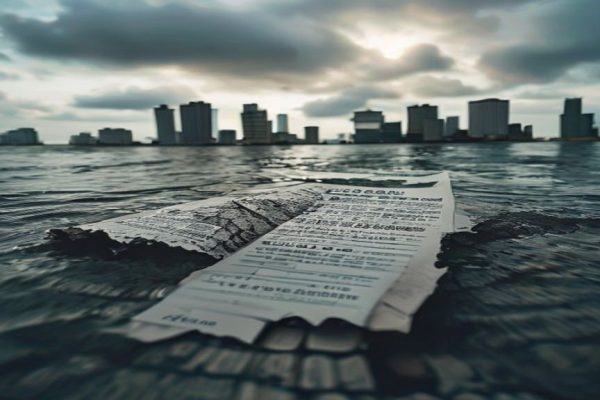
The Rising Tide of Climate Change Debt
The world’s largest carbon emitters owe a significant debt to future generations, a debt that can be quantified financially. This concept, often referred to as ‘climate debt,’ has gained traction in recent years as experts and policymakers grapple with the devastating consequences of climate change.
Climate change, primarily caused by the excessive emission of greenhouse gases, has far-reaching and irreversible impacts on the environment, ecosystems, and human societies. The negative effects of climate change are multifaceted, ranging from rising sea levels and extreme weather events to droughts, heatwaves, and the loss of biodiversity. These consequences will be felt for generations to come, and it is estimated that the total cost of climate change could reach trillions of dollars.
Quantifying the Debt
While the concept of climate debt is not new, the idea of quantifying it financially is a relatively recent development. Some experts argue that the world’s largest carbon emitters, including countries and corporations, should be held accountable for the damage they have caused. This debt can be calculated by estimating the economic costs of climate change, including the loss of property, infrastructure damage, and the impact on human health.
One study published in the journal Nature estimated that the global cost of climate change could reach $2.5 trillion per year by 2025. This amount is expected to increase significantly over the coming decades, reaching $7.4 trillion per year by 2100. Another study published in the journal Science estimated that the total cost of climate change could reach $43 trillion by 2100.
The Burden on Future Generations
The burden of climate change debt will fall heavily on future generations. As the world’s largest carbon emitters continue to emit greenhouse gases, they are, in effect, selling their grandchildren a ticket to a world with rising sea levels, devastating natural disasters, and unpredictable weather patterns. This is a clear example of intergenerational injustice, where the benefits of economic growth and development are enjoyed by current generations at the expense of future generations.
The consequences of climate change will be felt long after the current generation has passed. Rising sea levels will continue to flood coastal cities and low-lying areas, displacing millions of people and causing massive economic losses. Extreme weather events will become more frequent and intense, leading to widespread destruction and loss of life. The loss of biodiversity will have far-reaching impacts on ecosystems and human societies, leading to food and water shortages, and increased vulnerability to disease.
Repaying the Debt
So, how can the debt of climate change be repaid? The answer lies in a combination of immediate action and long-term investment. Governments, corporations, and individuals must work together to reduce greenhouse gas emissions and transition to renewable energy sources. This will require significant investment in clean energy technologies, energy efficiency measures, and carbon capture and storage.
The transition to a low-carbon economy will also require significant changes in behavior and lifestyle. Individuals must reduce their carbon footprint by adopting sustainable practices, such as reducing energy consumption, using public transport, and eating a plant-based diet. Governments must implement policies and regulations that incentivize the adoption of clean energy technologies and discourage fossil fuel use.
Conclusion
The debt of climate change is a pressing issue that requires immediate attention and action. The world’s largest carbon emitters owe a significant debt to future generations, and it is estimated that the total cost of climate change could reach trillions of dollars. The burden of this debt will fall heavily on future generations, who will inherit a world with rising sea levels, devastating natural disasters, and unpredictable weather patterns.
The good news is that the debt of climate change can be repaid. By working together, we can reduce greenhouse gas emissions, transition to renewable energy sources, and adopt sustainable practices. The future of our planet depends on it.






Leave a Reply