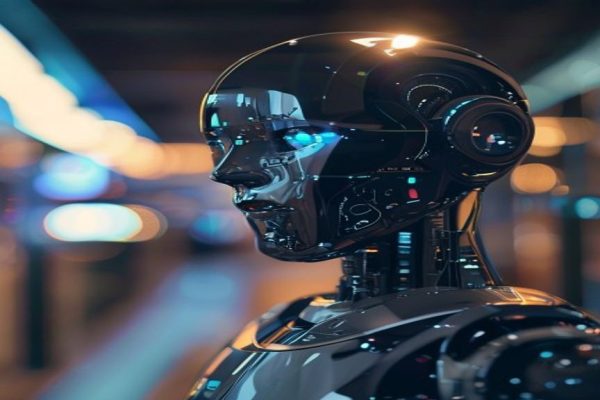
The Rise of Chatbots: Blurred Lines Between Humans and AI
Chatbots have become increasingly popular in recent years, revolutionizing the way we interact with technology. However, with the growing presence of chatbots in our daily lives, experts are warning about the dangers of anthropomorphizing these artificial intelligence tools.
Authenticity and Expectations
Julie Carpenter, a renowned human-AI interaction expert and author of ‘The Naked Android’, recently expressed her views on the matter. According to Carpenter, users are not to blame for attributing human-like qualities to chatbots. Instead, she believes that the fault lies with the developers who create these tools.
Chatbots, like ChatGPT, are designed to mimic human-like conversations, often achieving astonishing levels of authenticity. This has led many users to form emotional bonds with these digital entities, sometimes even forgetting that they are, in fact, machines.
Carpenter emphasizes that the primary responsibility lies with the developers, who must strike a balance between creating engaging and informative chatbots while avoiding the creation of false expectations in users.
The Blurred Lines Between Humans and AI
The increasing sophistication of chatbots has blurred the lines between humans and AI, raising questions about the ethics of their development and deployment. As chatbots become more advanced, it is becoming increasingly difficult for users to distinguish between human and artificial voices, leading to concerns about the potential consequences.
One of the most significant challenges posed by chatbots is their ability to manipulate users through emotional connections. By creating a convincing facade, chatbots can elicit strong emotional responses from users, often without them realizing that they are interacting with a machine.
Experts warn that this can have serious consequences, including the exploitation of vulnerable individuals. For instance, chatbots may be used to spread misinformation, manipulate public opinion, or even facilitate financial scams.
The Future of Chatbots: Balancing Authenticity and Transparency
As chatbots continue to evolve, developers must prioritize transparency and authenticity. This involves clearly labeling chatbots as machines, avoiding language that may be perceived as manipulative, and ensuring that users understand the limitations of these tools.
By adopting a more nuanced approach to chatbot development, we can minimize the risks associated with anthropomorphization while still harnessing the benefits of AI. As Carpenter notes, ‘The key to responsible AI development lies in creating tools that are both engaging and transparent.’
Conclusion
The rise of chatbots has significant implications for our society, raising important questions about the ethics of AI development and deployment. By acknowledging the potential risks and consequences of anthropomorphization, we can work towards creating a future where humans and AI coexist in a safe and responsible manner.
Key Points:
- Chatbots are becoming increasingly sophisticated, leading to concerns about anthropomorphization.
- Developers must strike a balance between creating engaging and informative chatbots while avoiding false expectations in users.
- The blurred lines between humans and AI raise questions about the ethics of chatbot development and deployment.
- Transparency and authenticity are crucial in minimizing the risks associated with anthropomorphization.
Image Prompt:
A detailed prompt for the image: A futuristic illustration of a chatbot interface, with a human-like figure conversing with a digital entity. The background should feature a blurred cityscape, symbolizing the integration of AI into our daily lives. The chatbot interface should be highlighted, with a subtle glow to represent the blurred lines between humans and AI. The overall mood should be thought-provoking, encouraging the viewer to consider the implications of chatbot development and deployment.






Leave a Reply