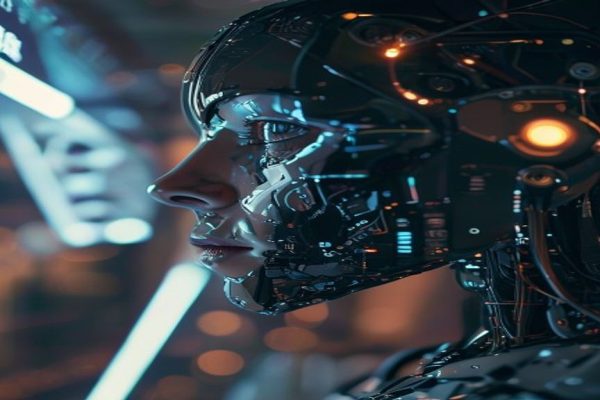
The Rise of Generative AI and the Anthropomorphism Conundrum
In a world where technology is increasingly intertwined with our daily lives, it’s no surprise that we’ve begun to attribute human-like qualities to the machines that serve us. The latest manifestation of this phenomenon is the growing trend of anthropomorphizing chatbots, such as ChatGPT. As Julie Carpenter, a renowned expert in human-AI interaction, notes, this is not a case of users being too naive or gullible. Instead, it’s a natural consequence of the way we design and interact with these systems.
The Psychology Behind Anthropomorphism
Anthropomorphism, or the attribution of human characteristics to non-human entities, is a fundamental aspect of human cognition. It allows us to better understand and relate to the world around us. In the context of chatbots, this means that users are more likely to engage with systems that mimic human-like conversation and behavior. By doing so, we create a sense of familiarity and trust, which can lead to more effective communication and collaboration.
However, this also raises important questions about the limits of anthropomorphism. As Carpenter points out, the assumption that chatbots are capable of human-like thought and emotion can lead to unrealistic expectations and disappointment. Furthermore, it can also perpetuate the notion that technology is somehow ‘intelligent’ or ‘conscious,’ which can have far-reaching implications for fields such as AI ethics and philosophy.
The Future of Chatbots and Human-AI Interaction
As we continue to develop and deploy more sophisticated chatbots and AI systems, it’s essential that we address these issues head-on. This requires a deeper understanding of the psychological and cognitive factors that drive anthropomorphism, as well as a more nuanced approach to designing and interacting with these systems.
One potential solution is to focus on creating chatbots that are transparent and explainable in their decision-making processes. This can help users develop a more accurate understanding of the limitations and capabilities of these systems, reducing the likelihood of anthropomorphism. Additionally, the use of more advanced natural language processing (NLP) and machine learning algorithms can enable chatbots to better simulate human-like conversation and behavior, while also maintaining a clear distinction between human and machine.
Ultimately, the future of chatbots and human-AI interaction will depend on our ability to strike a balance between the benefits of anthropomorphism and the risks of over-estimating the capabilities of these systems. By acknowledging the complexities of this issue and working towards more informed and responsible design practices, we can create a more sustainable and effective future for human-AI collaboration.
- Key Points:
- Anthropomorphism is a natural consequence of human-AI interaction.
- The assumption that chatbots are human-like can lead to unrealistic expectations and disappointment.
- Transparency and explainability in chatbot design can help mitigate anthropomorphism.
Expert Insights
Julie Carpenter, author of The Naked Android and expert in human-AI interaction, notes: ‘The key to navigating this issue is to recognize that chatbots are tools, not people. By acknowledging their limitations and capabilities, we can create systems that are both effective and transparent.’






Leave a Reply