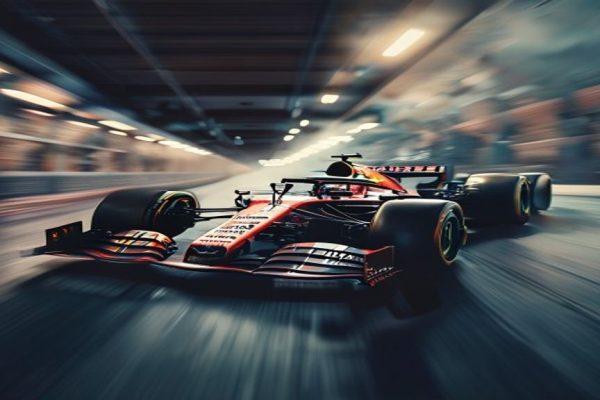
Formula 1’s High-Speed Conundrum
Formula 1 (F1), the pinnacle of open-wheel racing, has long been a spectacle that captivates audiences worldwide with its high-speed action, cutting-edge technology, and world-class drivers. However, beneath the surface, F1’s governing body and key stakeholders are grappling with a pressing concern: the new generation of cars is threatening to alter the very fabric of the sport.
The debate centers around the aerodynamic regulations introduced in 2022, which aimed to increase overtaking and improve racing competitiveness. While these changes have indeed led to a more thrilling experience for fans, they have also resulted in cars that are significantly faster and more sensitive to handling. This has raised eyebrows among F1’s bosses, who are worried that the new cars are undermining the sport’s core identity.
The Tension Between Performance and Safety
F1’s governing body, the FIA, has consistently emphasized the importance of balancing performance and safety. The new cars, with their advanced aerodynamics and lightweight materials, have pushed the boundaries of what is possible on the track. However, this increased performance has also led to concerns about the safety of drivers and spectators.
Former F1 driver and current pundit, Martin Brundle, weighed in on the issue, saying, ‘The cars are so sensitive now that even the slightest mistake can lead to a catastrophic outcome. It’s a delicate balance between performance and safety, and I fear we’re getting too close to the edge.’
The Future of F1: A Sporting Identity Crisis?
The FIA and F1’s commercial rights holder, Liberty Media, are under pressure to ensure that the sport remains relevant and appealing to its core fan base. However, the new cars have also attracted criticism from some quarters, with some fans feeling that the sport has lost its essence.
Renowned motorsport journalist, David Tremayne, observed, ‘F1’s biggest challenge is to find a balance between innovation and tradition. The new cars are undoubtedly more exciting to watch, but they’re also making the sport feel more like an IndyCar or a sports car racing series.’
Key stakeholders are acutely aware of the potential consequences of F1’s identity crisis. If the sport loses its allure, it risks alienating its loyal fan base and struggling to attract new enthusiasts. In a worst-case scenario, this could lead to a downward spiral of decreasing viewership, revenue, and ultimately, the sport’s very survival.
What’s Next for F1?
As the debate rages on, F1’s governing body and key stakeholders are working tirelessly to find a solution that addresses the concerns of all parties involved. This may involve tweaking the aerodynamic regulations, introducing new safety features, or exploring alternative solutions that maintain the sport’s competitive edge while preserving its core identity.
Ultimately, the future of F1 hangs in the balance. Will the sport be able to adapt to the changing landscape and maintain its position as the pinnacle of open-wheel racing? Only time will tell, but one thing is certain: F1’s bosses are taking a close look at the sport’s DNA and questioning whether it’s still the same sport they grew up loving.
Key Takeaways:
- The new F1 cars have sparked concerns about the sport’s identity and the balance between performance and safety.
- F1’s governing body and key stakeholders are working to find a solution that addresses these concerns.
- The sport’s future hangs in the balance, with the potential for decreased viewership, revenue, and even survival.
- F1’s identity crisis raises questions about the sport’s core values and its ability to adapt to changing circumstances.
F1’s high-speed conundrum serves as a reminder that even the most thrilling and technologically advanced sports can face existential questions about their identity and relevance. As the sport navigates this complex landscape, one thing is certain: the eyes of the world will be watching to see if F1 can find a way to preserve its essence while embracing the future.






Leave a Reply