F1’s New Era: A Double-Edged Sword for the Sport
The world of Formula 1 (F1) has been abuzz with the introduction of new car regulations, aimed at promoting closer racing and enhancing the overall spectator experience. While the superficial appeal of the back-and-forth racing has been met with enthusiasm, F1’s bosses are caught in the middle of a heated debate. On one hand, they recognize the excitement generated by the new era of F1, but on the other, they are concerned about the unintended consequences of these changes on the sport they grew up loving.
The Rise of Downforce and Its Impact
The new car regulations have introduced a significant increase in downforce, which has led to drivers being able to maintain high speeds through corners and on straights. While this has resulted in thrilling racing, it has also made the cars more sensitive to tire degradation and aerodynamic issues. The increased downforce has also led to a decrease in overtaking opportunities, as drivers are reluctant to risk losing valuable time by attempting to pass their rivals.
This has raised concerns among F1’s bosses, who fear that the sport is becoming too reliant on aerodynamics and not enough on driver skill and strategy. They worry that the current state of the sport is not as competitive or unpredictable as it once was, and that the emphasis on downforce is creating a false narrative about what makes a successful F1 car.
The Future of F1: A Balancing Act?
As the debate rages on, F1’s bosses are faced with the daunting task of finding a balance between promoting closer racing and maintaining the sport’s competitive and unpredictable nature. They must weigh the benefits of increased downforce against the risks of creating a sport that is too reliant on technology and not enough on driver skill.
The FIA, the governing body of F1, has already taken steps to address some of the concerns surrounding the new car regulations. They have introduced a range of measures aimed at reducing the reliance on downforce and promoting more overtaking opportunities. These measures include changes to the tires, aerodynamic rules, and the introduction of a new qualifying format.
However, the debate is far from over, and F1’s bosses will continue to grapple with the complexities of the new car regulations. As the sport evolves, it will be crucial for them to strike a balance between promoting closer racing and maintaining the competitive and unpredictable nature that has made F1 the thrilling spectacle it is today.
The Road Ahead: A New Era for F1?
The new car regulations have introduced a new era of F1, one that is characterized by closer racing and increased downforce. While this has generated excitement among fans and drivers alike, it has also raised concerns about the sport’s competitive and unpredictable nature.
As F1’s bosses continue to navigate the complexities of the new car regulations, they will need to be mindful of the unintended consequences of these changes. By striking a balance between promoting closer racing and maintaining the sport’s competitive and unpredictable nature, they can create a new era of F1 that is both thrilling and sustainable.
Ultimately, the future of F1 is uncertain, but one thing is clear: the sport will continue to evolve, and it will be up to its bosses to ensure that it remains the thrilling spectacle that it has always been.
Main concerns:
- Closer racing and increased downforce have led to a decrease in overtaking opportunities.
- The sport is becoming too reliant on aerodynamics and not enough on driver skill and strategy.
- The FIA has introduced measures to address the concerns surrounding the new car regulations.
- The future of F1 is uncertain, but it will continue to evolve.
Key points:
- The new car regulations have introduced a significant increase in downforce.
- The increased downforce has led to a decrease in overtaking opportunities.
- The FIA has introduced measures to address the concerns surrounding the new car regulations.
- The future of F1 is uncertain, but it will continue to evolve.
Image Prompt:
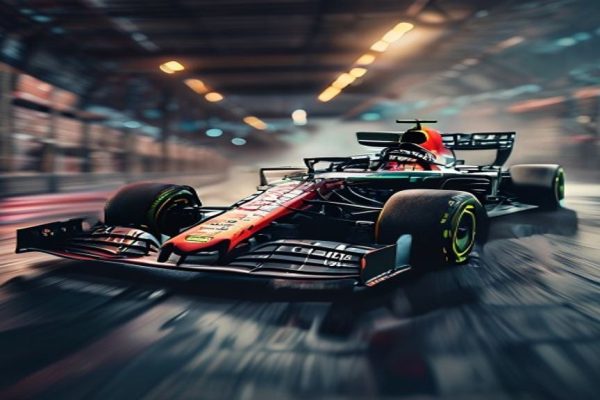
A high-speed shot of an F1 car taking a corner, with the driver’s helmet visible and the car’s tires screeching as it generates massive amounts of downforce. The background should be blurred, with the car’s aerodynamic features prominently displayed. The image should convey the sense of speed and power that defines F1, while also highlighting the complexities of the sport’s new car regulations.
Image style: Dramatic, high-speed, and visually striking, with a focus on the car’s aerodynamic features and the driver’s skill.
Image color palette: A range of bold, high-contrast colors, with a focus on the car’s bright colors and the background’s blurred, muted tones.
Image composition: A dynamic composition that puts the car and driver at the center of the image, with the blurred background and aerodynamic features adding to the sense of speed and power.
Image resolution: A high-resolution image that is suitable for print and digital use, with a minimum resolution of 300 DPI.






Leave a Reply