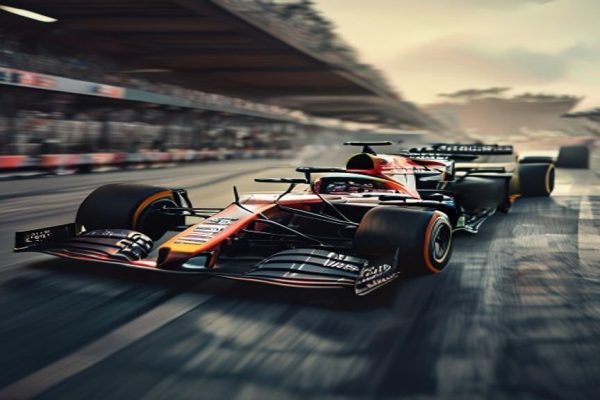
F1’s New Generation of Cars: A Double-Edged Sword
The world of Formula 1 (F1) has witnessed a significant transformation with the introduction of new cars. Designed to improve safety and efficiency, these cutting-edge vehicles have both enthusiasts and detractors within the F1 community. The sport’s governing body, the FIA, and teams are caught in the middle, struggling to balance the need for innovation with the potential consequences on the sport’s core identity.
The new F1 cars have been designed with an emphasis on improving safety, reducing carbon emissions, and enhancing overall performance. However, critics argue that the changes have resulted in a loss of the sport’s raw, physical, and entertaining aspect. The cars now feature advanced aerodynamics, drag reduction systems, and more efficient power units. While these advancements have improved the sport’s sustainability and appeal, they have also led to a more formulaic and predictable racing experience.
F1’s bosses, including the FIA and team principals, are grappling with the unintended consequences of these changes. They are concerned that the new cars are shifting the sport’s focus away from the raw, adrenaline-fueled racing that fans have come to expect. The increased emphasis on technology and efficiency has led to a decrease in overtaking opportunities, making the races less exciting and unpredictable.
The Debate: Safety vs. Spectacle
The debate surrounding F1’s new cars is centered around the balance between safety and spectacle. On one hand, the advancements in technology have significantly improved the safety of drivers and spectators. The cars are now more robust and better equipped to withstand high-speed crashes. However, the increased reliance on technology has also led to a decrease in the physical demands of driving, making the sport less appealing to fans who crave the raw, physical aspect of racing.
Additionally, the new cars have led to a decline in overtaking opportunities, which are a crucial aspect of the sport’s appeal. The increased use of advanced aerodynamics and drag reduction systems has made it more challenging for drivers to pass their opponents, leading to a more processional and predictable racing experience.
The Future of F1: A Shift in the Sport’s DNA
The introduction of new cars has sparked a debate about the future of F1. Some argue that the sport needs to evolve and adapt to changing times, while others believe that the changes have compromised the sport’s core identity. The FIA and teams are working to address the concerns of fans and drivers, but the question remains: can F1 strike a balance between safety, sustainability, and spectacle?
The sport’s governing body has announced plans to review the regulations and make adjustments to address the concerns of drivers and fans. However, the process is complex and will require a delicate balance between competing interests. The future of F1 hangs in the balance, and the decisions made will shape the sport’s trajectory for years to come.
Ultimately, the debate surrounding F1’s new cars highlights the challenges of balancing innovation and tradition in a sport that is constantly evolving. As F1 continues to navigate this complex landscape, fans and drivers will be watching closely to see how the sport adapts and responds to the changing demands of the modern era.
- F1’s new cars have been designed to improve safety and efficiency.
- The changes have led to a more formulaic and predictable racing experience.
- Critics argue that the sport has lost its raw, physical, and entertaining aspect.
- The FIA and teams are working to address the concerns of fans and drivers.
- The future of F1 hangs in the balance, and the decisions made will shape the sport’s trajectory for years to come.






Leave a Reply