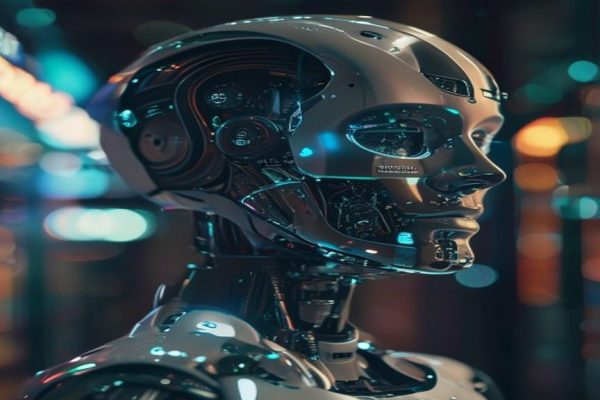
The Rise of Chatbots: Blurring Lines Between Humans and Machines
In a world where technology is rapidly advancing, the concept of human-AI interaction has become increasingly prominent. Julie Carpenter, a renowned expert in human-AI interaction and author of the thought-provoking book ‘The Naked Android,’ sheds light on the intriguing topic of anthropomorphism in the context of chatbots.
The Psychology Behind Anthropomorphism
Anthropomorphism, the tendency to attribute human-like qualities or characteristics to non-human entities, has long been a topic of interest in psychology and philosophy. When it comes to chatbots, this phenomenon is particularly relevant, as users often find themselves forming emotional connections with these digital entities.
According to Carpenter, the reason behind this phenomenon lies in the way chatbots are designed to mimic human-like conversations. By using natural language processing (NLP) and machine learning algorithms, chatbots are able to understand and respond to user queries in a way that feels almost human. This creates a sense of familiarity and rapport, making users more likely to attribute human-like qualities to these digital entities.
The Consequences of Anthropomorphism in Chatbots
While anthropomorphism in chatbots may seem harmless, it can have significant consequences in various areas of life. For instance, users may develop emotional attachments to chatbots, leading to feelings of disappointment or frustration when the chatbot fails to meet their expectations. Moreover, the blurring of lines between humans and machines can lead to a loss of trust in human relationships.
Carpenter warns that the rise of anthropomorphism in chatbots can also have serious implications for mental health. As users become more reliant on chatbots for emotional support, they may begin to neglect their human relationships, leading to a decline in mental well-being.
The Future of Human-AI Interaction
As chatbots continue to evolve and improve, it is essential to consider the implications of anthropomorphism on human-AI interaction. Carpenter emphasizes the need for developers to prioritize transparency and accountability in chatbot design, ensuring that users understand the limitations and capabilities of these digital entities.
The future of human-AI interaction holds much promise, with chatbots poised to revolutionize various industries, from customer service to healthcare. However, it is crucial that we approach this technology with a critical and nuanced perspective, acknowledging both its benefits and its limitations.
Key Takeaways:
- Anthropomorphism in chatbots is a natural consequence of their design, which aims to mimic human-like conversations.
- The blurring of lines between humans and machines can lead to a loss of trust in human relationships and have serious implications for mental health.
- Developers must prioritize transparency and accountability in chatbot design to ensure that users understand the limitations and capabilities of these digital entities.
As we navigate the rapidly evolving landscape of human-AI interaction, it is essential to remain aware of the potential consequences of anthropomorphism in chatbots. By doing so, we can harness the benefits of this technology while minimizing its risks.
Image Prompt: A chatbot interface with a human-like avatar, surrounded by a blurred background of code and circuitry, symbolizing the blurring of lines between humans and machines.






Leave a Reply