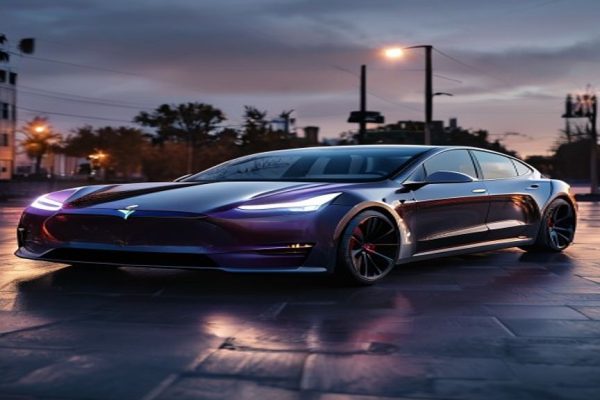
Tesla’s Cheaper Model 2 Revival: A Turning Point for the Electric Vehicle Giant
The electric vehicle (EV) market has been witnessing a significant surge in recent years, with numerous players vying for dominance. Tesla, Inc., the pioneering EV manufacturer, has been at the forefront of this revolution. However, amidst its ambitious plans to expand its product portfolio, the company has been facing challenges in its self-driving technology.
As reported earlier, Elon Musk, the CEO of Tesla, had announced plans to launch a cheaper version of the Model 3, dubbed the Model 2, with a price tag of around $25,000. This move was intended to make Tesla’s EVs more accessible to a broader audience and further solidify the company’s position in the market.
Musk’s U-Turn on the Model 2: What’s Behind the Decision?
However, in a surprising move, Musk cancelled plans to build the Model 2 in 2024. This decision has sparked widespread speculation about the reasons behind the U-turn. While the company has not provided an official explanation, industry analysts suggest that the self-driving technology setbacks may be the primary factor.
Tesla’s Autopilot system, a key component of its full-self driving (FSD) technology, has faced several challenges in recent years. The system has been involved in several high-profile accidents, raising concerns about its reliability and safety. Additionally, the company’s ambitious plans to launch a fully autonomous vehicle, capable of navigating complex roads and scenarios without human intervention, have been delayed.
The Future of Tesla’s Self-Driving Technology: A Make-or-Break Moment
The setbacks in Tesla’s self-driving technology have significant implications for the company’s future. The FSD technology is a crucial aspect of Tesla’s product portfolio, and its reliability and safety are essential for the company’s brand reputation and customer trust.
Industry experts believe that the cancellation of the Model 2 plans may be a strategic decision to focus on refining the FSD technology. By prioritizing self-driving development, Tesla may be able to create a more robust and reliable system that can compete with other players in the market.
However, this approach also comes with risks. Delaying the launch of a cheaper model may lead to a loss of market share to competitors, who are already offering more affordable EV options. Furthermore, the prolonged delay in launching a fully autonomous vehicle may give competitors an opportunity to innovate and establish themselves as leaders in the self-driving technology space.
The Market Impact: What to Expect from Tesla’s Next Move
The cancellation of the Model 2 plans has sent shockwaves through the EV market. Investors are eagerly awaiting Tesla’s next move, and industry analysts are weighing in on the potential implications.
Some predict that Tesla may launch a new model, possibly with a lower price tag, but with a more advanced FSD technology. Others speculate that the company may focus on refining its existing product portfolio, with a greater emphasis on the Model 3 and the Model S.
Regardless of Tesla’s next move, one thing is certain: the company’s self-driving technology setbacks have created a critical turning point in its history. The success of Tesla’s FSD technology will have a profound impact on the company’s future, and its ability to navigate this challenge will determine its position in the EV market for years to come.
As the electric vehicle market continues to evolve, one thing is clear: Tesla’s commitment to innovation and self-driving technology will be a key factor in determining its success. The company’s next move will be closely watched by investors, analysts, and customers alike, as it navigates the complex landscape of the EV market.






Leave a Reply