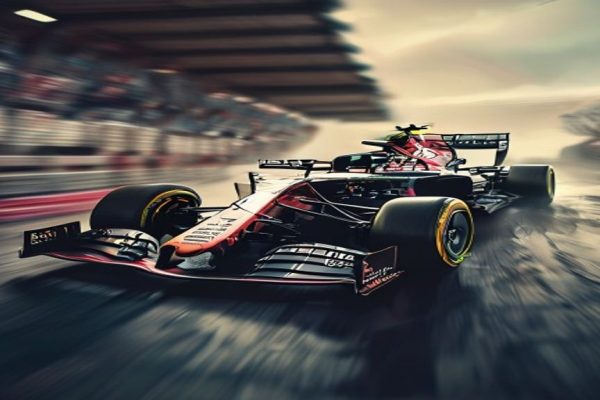
Formula 1’s New Cars: A Double-Edged Sword
Formula 1, the pinnacle of open-wheel racing, has undergone significant changes in recent years. The introduction of new cars, designed to improve safety and reduce costs, has been met with both excitement and skepticism. While the on-track action has never been more thrilling, many are concerned that the new cars are compromising the very essence of the sport.
The debate surrounding Formula 1’s new cars has been ongoing for months, with fans, drivers, and team principals weighing in on the pros and cons. On one hand, the new cars have brought a level of excitement and unpredictability to the sport that was lacking in previous seasons. The increased downforce and improved aerodynamics have allowed drivers to push their cars to the limit, resulting in thrilling battles for position and a renewed sense of competition.
However, not everyone is convinced that the new cars are a positive development for the sport. Many are concerned that the increased downforce and improved handling have made the cars too easy to drive, taking away from the challenge and skill required to compete at the highest level. Additionally, the increased costs associated with the new cars have put a strain on smaller teams, potentially threatening the very survival of the sport.
The Concerns of F1’s Leadership
F1’s bosses, led by CEO Stefano Domenicali, are caught in the middle of this debate. While they recognize the superficial appeal of the back-and-forth racing, they are also concerned about what the new cars are doing to the sport they grew up loving. The increased costs and complexity of the new cars have put a strain on the teams, and the FIA, the governing body of motorsport, is working to find a solution that balances the need for competitive racing with the need to keep costs under control.
The FIA has implemented a number of measures aimed at reducing costs and increasing competition, including a freeze on engine development and a reduction in the number of tests allowed during the season. However, many feel that these measures do not go far enough, and that more needs to be done to level the playing field and prevent the big teams from dominating the sport.
The Future of Formula 1
So, what does the future hold for Formula 1? Will the new cars continue to bring excitement and unpredictability to the sport, or will they ultimately prove to be a step too far? Only time will tell, but one thing is certain: the sport will continue to evolve and adapt to the changing needs and preferences of its fans.
As F1’s leadership continues to navigate the complex web of issues surrounding the new cars, one thing is clear: the sport is at a crossroads. The choices made in the coming years will have a profound impact on the future of Formula 1, and it is up to the fans, drivers, and teams to ensure that the sport remains true to its roots while also embracing the changes that will take it forward.
- The new Formula 1 cars have brought a level of excitement and unpredictability to the sport.
- However, many are concerned that the increased downforce and improved handling have made the cars too easy to drive.
- The increased costs associated with the new cars have put a strain on smaller teams.
- The FIA is working to find a solution that balances the need for competitive racing with the need to keep costs under control.






Leave a Reply