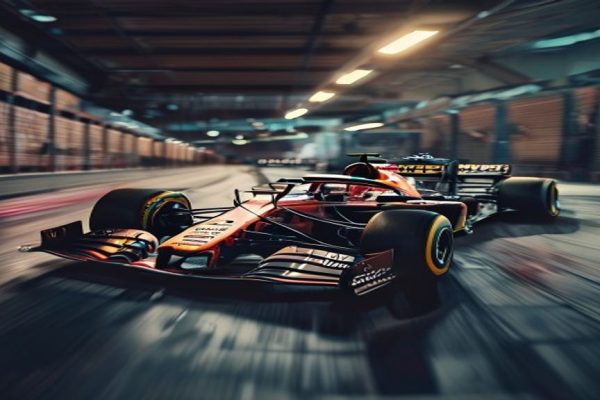
F1’s New Cars: A Double-Edged Sword
The world of Formula 1 (F1) has been abuzz with debate over the latest generation of cars, with team owners, drivers, and fans divided over their impact on the sport. While the new cars have undoubtedly increased excitement and close racing, concerns over safety and the preservation of the sport’s traditional values have sparked a heated discussion.
At the heart of the debate is the FIA, the governing body of F1, which is caught in the middle of this controversy. FIA President, Mohammed Ben Sulayem, has acknowledged the superficial appeal of the new cars, which have been designed to produce more downforce and increased overtaking opportunities. However, he has also expressed concerns over the safety implications of these changes, citing the increased risk of accidents and the need for drivers to adapt to the new cars’ handling characteristics.
The Safety Concerns
- Increased risk of accidents: The new cars’ increased downforce and improved aerodynamics have led to a rise in wheel-to-wheel racing, which increases the risk of accidents.
- Driver adaptation: The new cars’ handling characteristics are significantly different from their predecessors, requiring drivers to adapt quickly to avoid accidents.
- Mechanical failures: The increased stress on the cars’ mechanical components has raised concerns over the likelihood of mechanical failures, which can lead to accidents.
While the FIA has implemented various safety measures to mitigate these risks, including the introduction of a new tyre compound and the modification of the cars’ aerodynamic regulations, concerns over safety remain.
The Impact on the Sport
The debate over the new cars extends beyond safety concerns to the broader impact on the sport. Some argue that the changes have made the sport more exciting and appealing to a wider audience, while others believe that they have compromised the sport’s traditional values and increased the risk of accidents.
One of the main concerns is that the new cars have made the sport more reliant on technology and less on the drivers’ skills. While the cars are undeniably faster and more agile, some argue that the increased use of advanced technology has reduced the drivers’ ability to control the cars and increased the risk of accidents.
Furthermore, the changes have also raised concerns over the sport’s accessibility and the ability of smaller teams to compete with the larger, more resource-rich teams. The increased costs associated with the new cars have put a significant strain on smaller teams, making it harder for them to compete and potentially threatening the sport’s diversity and competitiveness.
In conclusion, the debate over F1’s new cars is complex and multifaceted, with competing concerns over safety, excitement, and the sport’s traditional values. While the FIA and the teams continue to work together to address these concerns, the future of the sport remains uncertain.
As the debate rages on, one thing is clear: the future of F1 hangs in the balance, and the outcome will have far-reaching implications for the sport and its fans.
Image prompt: A dramatic illustration of an F1 car navigating a high-speed turn, with the driver concentrating intently on the track ahead. In the background, a crowd of cheering fans and a blurred cityscape add to the excitement and tension of the scene. The car’s sleek design and advanced technology are highlighted, while the driver’s helmet and racing suit are emblazoned with the colors and logos of their team. The overall mood is one of high-octane excitement and suspense.






Leave a Reply