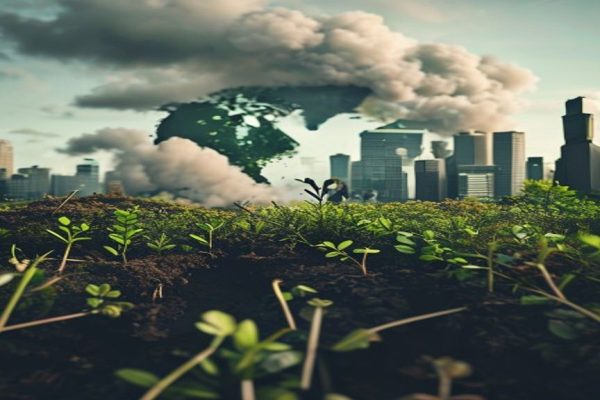
The Growing Concern of Climate Change
The world is facing an unprecedented environmental crisis, with climate change being one of the most pressing issues of our time. The negative impacts of global warming are far-reaching, from rising sea levels and more frequent natural disasters to extreme weather conditions and unpredictable temperature fluctuations. While the consequences of climate change are well-documented, a lesser-known aspect of this crisis is the concept of ‘carbon debt.’ This refers to the financial cost that future generations will bear due to the actions, or lack thereof, taken by current generations to address climate change.
Quantifying the Carbon Debt
Some experts argue that the carbon debt can be quantified financially, providing a tangible figure for the costs associated with climate change. This approach is based on the idea that the avoided costs of reducing greenhouse gas emissions today will be borne by future generations if we fail to take action. By calculating the financial benefits of reducing emissions, we can estimate the potential costs of inaction and, by extension, the carbon debt.
One study published in the journal Nature estimated that the carbon debt for the United States alone could be as high as $4.6 trillion by 2050. This figure is based on the avoided costs of reducing greenhouse gas emissions from various sectors, including transportation, industry, and energy production. The study suggests that if the US were to achieve its Paris Agreement goal of reducing emissions by 26-28% below 2005 levels by 2025, the carbon debt would be significantly lower, at around $1.1 trillion.
The Human Cost of Carbon Debt
While the financial implications of carbon debt are significant, the human cost of this crisis cannot be overstated. Climate change is already having a devastating impact on communities around the world, with rising sea levels displacing entire communities, extreme weather events causing loss of life and property, and unpredictable temperature fluctuations affecting agricultural productivity and food security.
The World Health Organization (WHO) estimates that between 2030 and 2050, climate change will cause approximately 250,000 additional deaths per year, mainly due to malnutrition, malaria, diarrheal diseases, and heat stress. The economic costs of climate change are also substantial, with the WHO estimating that the annual economic losses due to climate change could reach $1.7 trillion by 2050.
Breaking the Cycle of Carbon Debt
So, what can be done to break the cycle of carbon debt and mitigate the negative impacts of climate change? The answer lies in a combination of individual and collective actions, including reducing greenhouse gas emissions, investing in renewable energy, and promoting sustainable land use practices. Governments, corporations, and individuals must work together to address the root causes of climate change and create a more sustainable future for generations to come.
The United Nations’ Sustainable Development Goals (SDGs) provide a framework for achieving a more sustainable future, with Goal 13 focusing on climate action. The SDGs emphasize the need for urgent action to reduce greenhouse gas emissions, promote sustainable development, and protect the environment. By working towards the SDGs, we can create a world where the carbon debt is reduced, and the negative impacts of climate change are minimized.
Conclusion
The concept of carbon debt highlights the urgent need for action to address climate change. By quantifying the financial costs of inaction, we can better understand the magnitude of this crisis and take steps to mitigate its impacts. While the human cost of carbon debt is significant, it is not too late to break the cycle of climate change and create a more sustainable future. By working together, we can reduce the carbon debt and build a better world for generations to come.






Leave a Reply