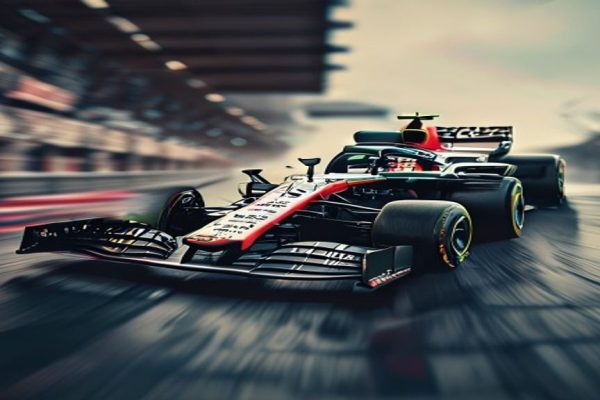
Formula 1’s New Era: A Delicate Balance
The world of Formula 1 (F1) has been at the forefront of innovation and technological advancements in the world of motorsports. However, with the introduction of new regulations and car designs, the sport has sparked intense debate among enthusiasts, drivers, and team owners alike. The debate revolves around the delicate balance between the superficial appeal of the back-and-forth racing and the concern for the sport’s essence.
The Evolution of F1: A Story of Innovation
Formula 1 has always been a platform for technological innovation and experimentation. The sport’s governing body, the Fédération Internationale de l’Automobile (FIA), has consistently sought to push the boundaries of car design, engine technology, and aerodynamics. The latest regulations have been no exception, with a focus on improving safety, reducing costs, and enhancing the overall racing experience.
However, the new cars have brought about a change in the sport’s dynamics. The increased downforce and improved braking capabilities have led to a significant reduction in overtaking opportunities. This, in turn, has sparked concerns among fans and drivers about the sport’s ability to deliver the thrilling, wheel-to-wheel racing that F1 is renowned for.
The Concerns of F1’s Bosses
The FIA and F1’s commercial rights holder, Liberty Media, have acknowledged the changes brought about by the new cars. They recognize the superficial appeal of the back-and-forth racing, with drivers and teams pushing the limits of their machines. However, they are also concerned about the long-term implications of these changes on the sport’s health.
“We understand that the new cars have brought about a change in the sport’s dynamics,” said Stefano Domenicali, F1’s CEO. “However, we are committed to ensuring that the sport remains exciting and competitive for our fans. We are working closely with the teams and drivers to address their concerns and find a balance that works for everyone.”
The Future of F1: A Balancing Act
The debate surrounding the new cars is not a new phenomenon in F1. The sport has consistently walked a fine line between innovation and tradition. The introduction of ground-effect aerodynamics in the 1970s, for example, led to a significant increase in speed and a decrease in overtaking opportunities. However, it also paved the way for the development of more sophisticated car designs and improved safety features.
The current situation is no different. The FIA and Liberty Media are working to address the concerns of the teams and drivers while also ensuring that the sport remains competitive and exciting for its fans. This will require a delicate balancing act, but one that is essential for the long-term health of the sport.
In conclusion, the debate surrounding the new cars in F1 is a complex and multifaceted issue. While the superficial appeal of the back-and-forth racing is undeniable, the concern for the sport’s essence is equally valid. The FIA and Liberty Media have acknowledged the challenges and are working to find a balance that works for everyone. The future of F1 is uncertain, but one thing is clear: the sport will continue to evolve and adapt to the changing needs of its fans and participants.
Key Points:
- The new cars in F1 have brought about a change in the sport’s dynamics, with a focus on improving safety, reducing costs, and enhancing the overall racing experience.
- The increased downforce and improved braking capabilities have led to a significant reduction in overtaking opportunities, sparking concerns among fans and drivers.
- The FIA and Liberty Media are working to address the concerns of the teams and drivers while also ensuring that the sport remains competitive and exciting for its fans.
- The debate surrounding the new cars is not a new phenomenon in F1, with the sport consistently walking a fine line between innovation and tradition.
Image Prompt:
A high-speed shot of an F1 car navigating a turn, with the driver’s face set in a determined expression. The background is a blurred representation of the track, with the car’s wheels and tires visible in the foreground. The image should convey a sense of speed, power, and competition, while also highlighting the driver’s skill and focus. The color palette should be muted, with a focus on shades of gray, blue, and silver to represent the car’s aerodynamic design and the track’s surface.






Leave a Reply