Introduction to the New Era of Urban Air Mobility
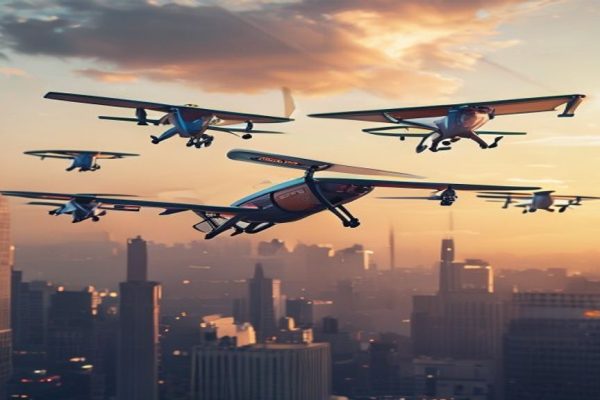
The United States is on the cusp of a transportation revolution with the introduction of innovative electric flyers, also known as personal aerial vehicles (PAVs), which promise to transform the way we travel within urban areas. These sleek, futuristic aircraft are designed to take off and land vertically like helicopters but operate like airplanes, offering a unique combination of convenience, speed, and efficiency.
Expected to start operating in US airspace as early as June, these electric flyers will be a game-changer for urban transportation, providing a sustainable, quiet, and environmentally friendly alternative to traditional modes of transportation. With their ability to navigate through tight spaces and avoid congested roads, these PAVs are poised to redefine the concept of urban air mobility.
Background and Technology
The development of electric flyers is the result of groundbreaking advancements in technology and engineering. These aircraft are equipped with cutting-edge electric propulsion systems, advanced avionics, and sophisticated flight control systems, enabling them to operate safely and efficiently. The use of electric motors also reduces noise pollution and emissions, making them an attractive option for environmentally conscious cities.
Manufacturers like Joby Aviation, Lilium, and Uber Elevate have been at the forefront of developing these electric flyers, investing heavily in research and development to ensure their safety, reliability, and performance. These companies have partnered with regulatory bodies, airports, and urban planners to establish a robust infrastructure for the operation of PAVs, including dedicated landing pads and air traffic control systems.
Benefits and Future Implications
-
Reduced Congestion: Electric flyers can navigate through tight spaces, reducing congestion on roads and increasing the efficiency of urban transportation.
-
Environmental Benefits: With zero emissions and reduced noise pollution, these aircraft are a more sustainable option for urban transportation.
-
Increased Mobility: Electric flyers can reach remote or hard-to-access areas, providing greater mobility for people with disabilities or those living in underserved communities.
-
Job Creation: The introduction of electric flyers will create new job opportunities in the manufacturing, maintenance, and operation of these aircraft.
The potential impact of electric flyers on urban transportation is vast, and cities around the world are taking notice. As these aircraft become more widespread, we can expect to see a significant reduction in traffic congestion, improved air quality, and increased mobility for citizens. However, there are also concerns about noise pollution, air traffic control, and the integration of PAVs into existing transportation systems.
To address these challenges, regulatory bodies, urban planners, and manufacturers must work together to establish clear guidelines and standards for the operation of electric flyers. This includes developing dedicated air traffic control systems, noise mitigation strategies, and passenger safety protocols.
The introduction of electric flyers marks a significant milestone in the evolution of urban transportation. As these aircraft take to the skies, we can expect to see a fundamental shift in the way we travel, work, and live in urban areas. Whether you’re a thrill-seeker, an environmentally conscious citizen, or a transportation enthusiast, the future of urban air mobility is exciting, innovative, and full of promise.
Conclusion
The arrival of electric flyers in US airspace is a testament to human ingenuity and innovation. As these aircraft become more widespread, we can expect to see a transformation of urban transportation that is more efficient, sustainable, and accessible. While there are challenges to be addressed, the benefits of electric flyers are numerous, and their impact on our daily lives will be nothing short of revolutionary.






Leave a Reply