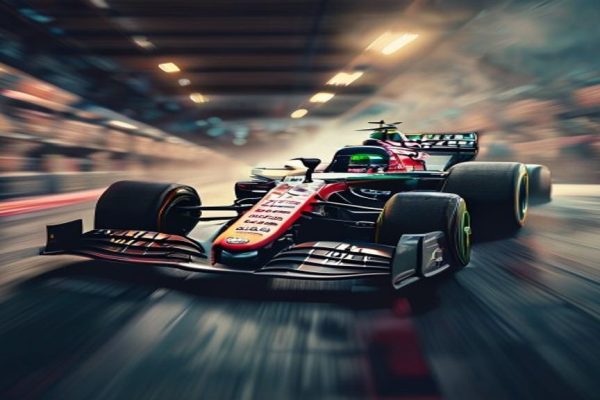
The Evolution of Formula 1: A Double-Edged Sword
Formula 1 (F1) has witnessed a significant transformation in recent years, with a renewed focus on promoting exciting and competitive racing. However, this shift has sparked a heated debate within the F1 community, with some questioning whether the sport’s core values are being compromised. The F1’s governing body, the FIA, and the teams are caught in the middle of this controversy, trying to strike a balance between the need for thrilling racing and the preservation of the sport’s heritage.
The new generation of F1 cars, introduced in 2022, was designed to promote closer racing and increased overtaking opportunities. The cars feature ground-effect aerodynamics, which generate massive downforce, allowing drivers to push their cars to the limit. While this has resulted in some spectacular racing, it has also led to concerns about the safety of the drivers and the overall competitiveness of the sport.
The Safety Concerns
One of the primary concerns is the increased risk of accidents. The new cars are capable of reaching incredibly high speeds, which can make them difficult to handle. Additionally, the aerodynamic characteristics of the cars can cause them to become unstable, leading to a higher likelihood of crashes. F1’s safety record has always been a top priority, and the governing body is working to address these concerns through various measures, including changes to the car’s design and the introduction of new safety features.
Another concern is the impact of the new cars on the drivers’ physical and mental well-being. The increased G-forces and aerodynamic loads can cause fatigue and discomfort, which can affect a driver’s performance and increase the risk of injury. F1 drivers are among the fittest athletes in the world, but even they are not immune to the challenges posed by the new cars.
The Competitive Balance
Another issue at the heart of the debate is the competitive balance between the teams. The new cars have created a significant performance gap between the top teams and the rest of the grid. This has led to concerns that the sport is becoming too dominated by a handful of powerful teams, which can make it difficult for smaller teams to compete. F1’s governing body is working to address this issue through various measures, including changes to the technical regulations and the introduction of new cost-saving initiatives.
The competitive balance is not only important for the sport’s fans but also for the teams’ financial well-being. Smaller teams rely heavily on sponsorship and revenue from their performances, and the current balance of power can make it difficult for them to attract and retain sponsors. A more competitive balance would not only be beneficial for the sport but also for the teams and their stakeholders.
The Future of F1
The debate surrounding the new F1 cars is not without its merits. On one hand, the sport needs to stay relevant and exciting to attract new fans and maintain its current fan base. On the other hand, it is essential to ensure that the sport’s core values are preserved and that the safety and competitive balance are not compromised. F1’s governing body and the teams are working hard to strike a balance between these competing interests, and the sport’s future will depend on their ability to find a solution that works for everyone.
The 2023 season will be crucial in determining the future direction of F1. The governing body has introduced several changes to the technical regulations, which are designed to reduce the performance gap between the teams. The season will also see the introduction of new safety features, including a revised floor design and improved crash structures. Whether these changes will be enough to address the concerns surrounding the new cars remains to be seen, but one thing is certain – F1’s future will depend on its ability to adapt and evolve while preserving its core values.
- Increased aerodynamic downforce has led to closer racing and more overtaking opportunities.
- The new cars have raised concerns about safety, including the risk of accidents and the impact on drivers’ physical and mental well-being.
- The competitive balance between teams has become a significant issue, with the top teams dominating the sport.
- F1’s governing body and the teams are working to address these concerns through various measures, including changes to the technical regulations and the introduction of new safety features.
- The 2023 season will be crucial in determining the future direction of F1.






Leave a Reply