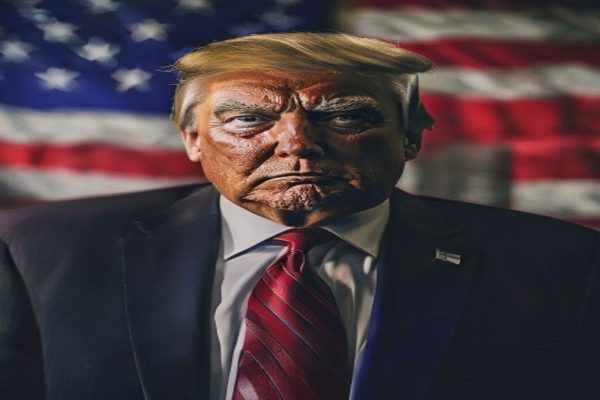
Global Trade Braces for Impact as Trump’s Iran War Threats Escalate
The international trade landscape is facing a new wave of uncertainty as President Donald Trump’s escalating rhetoric against Iran threatens to disrupt global markets and send shockwaves through the global economy.
Trade Tensions Mount as Global Economies Prepare for Impact
According to a recent report from the World Trade Organization (WTO), the ongoing tensions between the United States and Iran pose a significant risk to international trade. The report warns that a potential conflict could lead to slower GDP growth, higher fertilizer costs, and disruptions to global supply chains.
The WTO report highlights the critical role that trade plays in supporting economic growth and stability. With trade tensions already running high due to the ongoing US-China trade war, the prospect of a new conflict in the Middle East could have disastrous consequences for the global economy.
Trade Disruptions: A Threat to Global Food Security
The WTO report also emphasizes the importance of trade in ensuring global food security. Iran is a significant producer of fertilizer, and any disruptions to its exports could have far-reaching consequences for farmers around the world. Higher fertilizer costs would not only increase the cost of production for farmers but also lead to reduced crop yields and lower food availability.
The impact on food security would be felt most acutely in regions that rely heavily on imports, such as Africa and Latin America. These regions would be particularly vulnerable to disruptions in global supply chains, which could lead to food shortages and price increases.
Global Economies Bracing for Impact
As the world waits with bated breath for a resolution to the ongoing tensions between the United States and Iran, global economies are bracing for impact. Central banks, governments, and businesses are all taking steps to mitigate the potential risks associated with a conflict in the Middle East.
However, the WTO report makes clear that the risks are significant, and the consequences of a conflict could be severe. The global economy is already facing numerous challenges, including the ongoing US-China trade war and the COVID-19 pandemic. A new conflict in the Middle East would only serve to exacerbate these challenges and push the global economy to the brink of recession.
In conclusion, the threat of a war with Iran poses a significant risk to global trade and economic stability. The WTO report highlights the critical importance of trade in supporting economic growth and food security, and the need for a peaceful resolution to the ongoing tensions between the United States and Iran.
Key Points:
- The WTO report warns of significant risks to global trade and economic stability in the event of a conflict with Iran.
- A potential conflict could lead to slower GDP growth, higher fertilizer costs, and disruptions to global supply chains.
- The global economy is already facing numerous challenges, including the ongoing US-China trade war and the COVID-19 pandemic.
- Central banks, governments, and businesses are taking steps to mitigate the potential risks associated with a conflict in the Middle East.
Global Trade Implications:
While the exact implications of a conflict with Iran are impossible to predict, the WTO report makes clear that the risks are significant. The potential consequences of a conflict could be severe, including:
- Disruptions to global supply chains
- Higher fertilizer costs
- Slower GDP growth
- Food shortages and price increases
Call to Action:
As the world waits with bated breath for a resolution to the ongoing tensions between the United States and Iran, it is clear that the stakes are high. The WTO report makes clear that the risks associated with a conflict are significant, and the consequences could be severe.
It is imperative that all parties involved work towards a peaceful resolution to the conflict and take steps to mitigate the potential risks associated with a war in the Middle East.






Leave a Reply