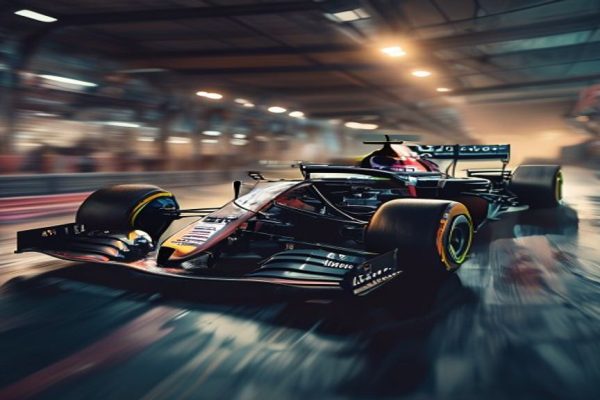
Formula 1’s New Generation Cars: A Double-Edged Sword?
Formula 1 (F1) has been a staple of motorsports for decades, captivating fans worldwide with its high-speed racing, cutting-edge technology, and fierce competition. However, with the introduction of the new generation cars, the sport’s governing body, the FIA, and its stakeholders are grappling with a dilemma. While the new cars have undoubtedly improved the sport’s on-track spectacle, their impact on the racing experience and the future of F1 is a topic of intense debate.
The Changing Face of F1
The new generation cars, which made their debut in 2022, are designed to prioritize aerodynamics, reduce weight, and increase fuel efficiency. The aim is to create a more competitive and exciting racing experience, with a greater emphasis on driver skill and teamwork. While the new cars have delivered on these promises, they have also introduced a number of concerns that are threatening to alter the fabric of the sport.
One of the primary concerns is the increased reliance on advanced technology, which has led to a significant reduction in the number of overtakes and close racing. The new cars’ advanced aerodynamics and drag reduction systems (DRS) have created a situation where drivers are more focused on managing their car’s airflow and drag than on actual racing. This has resulted in a decrease in the number of passes, with some drivers completing entire races without being overtaken.
The Future of F1: A New Era or a Lost Art?
The debate over the new generation cars’ impact on F1’s future is not just about the sport’s on-track performance. It’s also about the long-term sustainability and appeal of the sport. As the racing landscape continues to evolve, F1’s governing body must carefully consider the consequences of its decisions and ensure that the sport remains true to its roots.
F1’s bosses, including FIA President Mohammed Ben Sulayem, are caught in the middle of this debate, recognizing the superficial appeal of the back-and-forth racing but concerned about what the new cars are doing to the sport they grew up loving. They must navigate the fine line between innovation and tradition, ensuring that the sport remains competitive and exciting while also preserving its core values.
The future of F1 hangs in the balance, with the new generation cars serving as a catalyst for change. As the sport continues to evolve, one thing is certain: the path forward will be shaped by the decisions made by F1’s governing body and its stakeholders. Will they choose to prioritize technology and innovation, potentially sacrificing the sport’s long-term appeal? Or will they opt for a more traditional approach, preserving the racing experience that has captivated fans for generations?
Key Points:
- The new generation cars have improved F1’s on-track spectacle but have also introduced concerns about the sport’s future.
- The increased reliance on advanced technology has led to a reduction in overtakes and close racing.
- F1’s governing body must carefully consider the consequences of its decisions and ensure that the sport remains true to its roots.
- The future of F1 hangs in the balance, with the new generation cars serving as a catalyst for change.
In the end, the decision will be a difficult one, requiring a delicate balance between innovation and tradition. One thing is certain, however: the fate of F1’s future will be shaped by the choices made by its governing body and its stakeholders. The outcome will be a defining moment in the sport’s history, one that will have far-reaching consequences for generations to come.






Leave a Reply