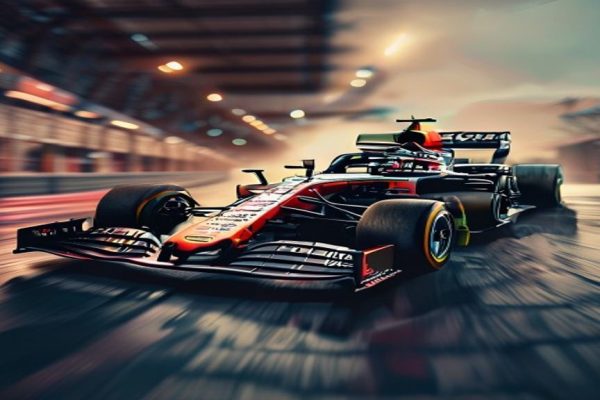
Formula 1’s New Era: Balancing Excitement and Tradition
Formula 1’s latest season has been marked by a significant change in the sport’s landscape. The introduction of new regulations aimed at improving safety and increasing overtaking opportunities has led to a new era of racing. However, this change has sparked a heated debate among fans, teams, and officials, with some questioning whether the sport has lost its essence.
The Rise of Superficial Racing
The new cars, with their advanced aerodynamics and sophisticated tire compounds, have created a spectacle on the track that is unlike anything seen before. The cars are now able to tackle corners at higher speeds, and the increased downforce has led to a significant increase in overtaking opportunities. While this has thrilled fans and created a more exciting spectacle, it has also raised concerns that the sport is becoming too focused on superficial racing.
F1’s bosses are caught in the middle of this debate, recognising the superficial appeal of the back-and-forth racing, but concerned about what the new cars are doing to the sport they grew up loving. They are worried that the increased downforce and advanced aerodynamics are making the cars too difficult to drive, and that the sport is losing its raw, emotional connection with the drivers and the fans.
The Concerns of Tradition
The new cars have also raised concerns about the sport’s tradition. The classic F1 cars, with their iconic designs and raw, unbridled power, are a significant part of the sport’s heritage. The new cars, with their sleek, futuristic designs and sophisticated technology, have created a sense of disconnection from the sport’s past. While the new cars are undoubtedly faster and more efficient, they lack the raw, emotional connection that made F1 great.
The concerns about tradition are not just limited to the cars themselves. The increased emphasis on technology and sophistication has also led to a significant increase in costs, making it more difficult for smaller teams to compete. This has raised concerns about the sport’s accessibility and the ability of smaller teams to compete with the big players.
The Future of Formula 1
So, what does the future hold for Formula 1? Will the sport continue to focus on superficial racing, sacrificing tradition and accessibility for the sake of speed and efficiency? Or will the F1 bosses find a way to balance the two, creating a sport that is both exciting and true to its roots?
The answer to this question remains to be seen. However, one thing is certain – the debate about the future of Formula 1 is far from over. As the sport continues to evolve, it will be interesting to see how the F1 bosses respond to the concerns of tradition and accessibility, and how they balance the need for excitement and efficiency with the need to preserve the sport’s heritage.
- The new F1 cars have created a spectacle on the track that is unlike anything seen before.
- The increased downforce and advanced aerodynamics have led to a significant increase in overtaking opportunities.
- The sport is caught between the need for excitement and the need to preserve its tradition.
- The increased emphasis on technology and sophistication has led to a significant increase in costs.
- The sport’s accessibility is under threat due to the increasing costs.
Ultimately, the future of Formula 1 will depend on how the F1 bosses respond to the concerns of tradition and accessibility. Will they find a way to balance the two, creating a sport that is both exciting and true to its roots? Only time will tell.






Leave a Reply