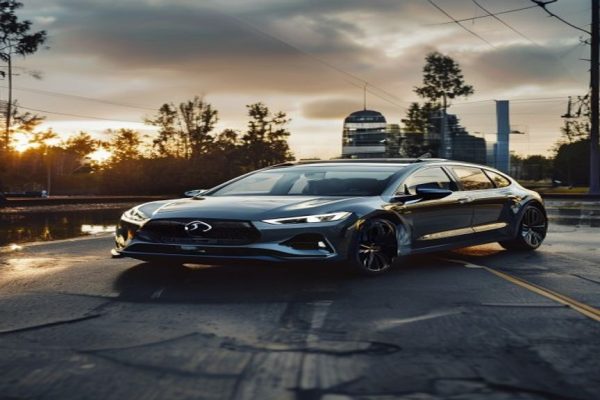
The Rise of Hybrid Vehicles: A Promising Step Towards Sustainability
Hybrid vehicles have been touted as a promising solution to reduce greenhouse gas emissions and mitigate climate change. With their combined powertrains of internal combustion engines and electric motors, they offer a more efficient and environmentally friendly alternative to traditional gas-guzzlers. However, a recent study has revealed a disturbing trend among plug-in hybrid owners, who rarely actually plug in their vehicles, thereby negating the climate advantages of the technology.
The Reality of Plug-in Hybrid Usage
According to a study published in the Journal of Power Sources, plug-in hybrid owners drive their vehicles an average of 37 miles on electricity alone before switching to gasoline power. This means that the majority of the time, the electric motor is not being utilized, rendering the vehicle’s hybrid capabilities largely ineffective. Furthermore, the study found that many plug-in hybrid owners do not even charge their vehicles regularly, with some not charging their vehicles at all.
This raises serious questions about the effectiveness of plug-in hybrid technology in reducing greenhouse gas emissions. If owners are not taking advantage of the electric motor, then the carbon savings are minimal. In fact, the study suggests that plug-in hybrid vehicles may be doing more harm than good, as they can lead to a false sense of security among owners, causing them to overlook more environmentally friendly options.
The Consequences of Missed Opportunities
So, what are the consequences of this missed opportunity? Firstly, the environmental benefits of hybrid vehicles are being undermined. With the increasing adoption of plug-in hybrids, the perceived benefits of the technology are being exaggerated, leading to a lack of investment in more effective and sustainable solutions. Secondly, the lack of charging infrastructure is not being addressed, as plug-in hybrid owners are not driving the demand for more charging stations.
Thirdly, the market is being misled, with consumers being sold a product that does not deliver on its promises. Plug-in hybrid owners are not getting the fuel efficiency and environmental benefits they expect, leading to disappointment and disillusionment. Finally, the lack of innovation in the hybrid segment is stifling progress, as manufacturers are not being incentivized to develop more efficient and sustainable technologies.
The Way Forward
So, what can be done to address this issue? Firstly, manufacturers need to be more transparent about the actual performance of plug-in hybrids. They need to provide accurate information about the vehicle’s range and efficiency, rather than relying on exaggerated claims. Secondly, governments need to provide incentives for the development and adoption of more sustainable technologies, such as battery-electric and hydrogen fuel cell vehicles.
Thirdly, consumers need to be educated about the true benefits and limitations of hybrid vehicles. They need to understand that plug-in hybrids are not a silver bullet for sustainability, and that more effective solutions are available. Finally, the industry needs to prioritize innovation and research, investing in new technologies that can truly make a difference in reducing greenhouse gas emissions.
Key Takeaways:
- Plug-in hybrid owners rarely actually plug in their vehicles, negating the climate advantages of the technology.
- The majority of plug-in hybrid owners drive their vehicles an average of 37 miles on electricity before switching to gasoline power.
- The lack of charging infrastructure is being exacerbated by plug-in hybrid owners’ lack of demand.
- The market is being misled, with consumers being sold a product that does not deliver on its promises.
- The lack of innovation in the hybrid segment is stifling progress.
Ultimately, the uncomfortable truth about hybrid vehicles is that they are not the solution to our climate woes. While they may offer some benefits, they are not a silver bullet. We need to prioritize innovation, research, and education to develop truly sustainable technologies that can make a real difference in reducing greenhouse gas emissions.
Image Prompt: A graph showing the average distance driven on electricity alone by plug-in hybrid owners, with a red arrow pointing downwards to indicate the decrease in distance driven on electricity.






Leave a Reply