Formula One’s New Era: A Double-Edged Sword
The world of Formula One (F1) has witnessed a significant transformation in recent years, with a renewed focus on technological advancements and improved on-track performance. However, this shift has also brought forth concerns from the sport’s governing bodies and long-time enthusiasts, who fear that the changing landscape may be altering the fundamental essence of F1.
The Rise of Thrilling Racing
One of the most significant changes in modern F1 is the increased emphasis on aerodynamics and downforce, which has led to more thrilling and competitive racing. The new cars, with their advanced designs and cutting-edge technology, have enabled drivers to push the limits of speed and agility on the track. This, in turn, has captivated a new generation of fans, who are drawn to the high-octane action and intense competition.
The increased focus on aerodynamics has also led to the development of sophisticated systems, such as drag reduction systems (DRS) and advanced tyre compounds. These innovations have further enhanced the racing experience, allowing drivers to exploit the full potential of their cars and create more exciting on-track battles.
Concerns for the Sport’s Future
While the new cars and technological advancements have brought significant benefits to the sport, there are also concerns that they may be compromising the fundamental qualities that have made F1 great. The increased emphasis on downforce and aerodynamics has led to concerns that the cars are becoming too reliant on technology, rather than driver skill and physical ability.
Additionally, the rising costs associated with developing and maintaining these advanced cars have created significant financial burdens for teams and drivers. This has led to concerns that the sport may become inaccessible to smaller teams and independent drivers, potentially altering the competitive balance and limiting opportunities for underdog stories.
- Increased costs: The development and maintenance of advanced cars have led to significant financial burdens for teams and drivers.
- Reduced driver involvement: The increased reliance on technology has raised concerns that driver skill and physical ability are being compromised.
- Competitive balance: The rising costs have created concerns that the sport may become inaccessible to smaller teams and independent drivers.
F1’s Bosses Caught in the Middle
Formula One’s governing bodies, led by the Fédération Internationale de l’Automobile (FIA), are caught in the midst of this debate. While they recognize the superficial appeal of the thrilling racing, they are also concerned about the potential long-term consequences of these changes. The FIA has implemented measures to regulate the development of advanced cars and ensure that the sport remains accessible to smaller teams and independent drivers.
However, the debate continues, with some arguing that the benefits of the new cars outweigh the costs, while others believe that the sport’s fundamental qualities are being compromised. As F1 continues to evolve, it remains to be seen whether the governing bodies can strike a balance between thrilling racing and preserving the sport’s rich heritage.
The Future of F1
The future of Formula One is uncertain, with various factions vying for influence and control. While the new cars and technological advancements have brought significant benefits, they have also created significant challenges for the sport. As F1 navigates this complex landscape, it is essential to strike a balance between innovation and tradition, ensuring that the sport remains exciting, competitive, and accessible to all.
The debate surrounding Formula One’s new era is a complex and multifaceted issue, with no easy answers. However, one thing is clear: the sport’s governing bodies, teams, and drivers must work together to ensure that F1 remains a thrilling and competitive spectacle, while also preserving its rich heritage and fundamental qualities.
In the end, the future of Formula One will be shaped by the decisions made by its governing bodies, teams, and drivers. As the sport continues to evolve, it is essential to strike a balance between innovation and tradition, ensuring that F1 remains a thrilling and accessible spectacle for generations to come.
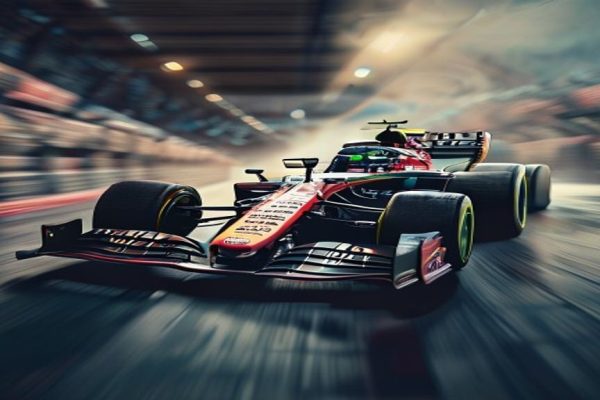
Image Prompt: A futuristic rendering of a Formula One car, with advanced aerodynamics and a dramatic lighting effect, set against a backdrop of a bustling pit lane. The car should be shown in motion, with a blurred background to convey a sense of speed and motion.






Leave a Reply