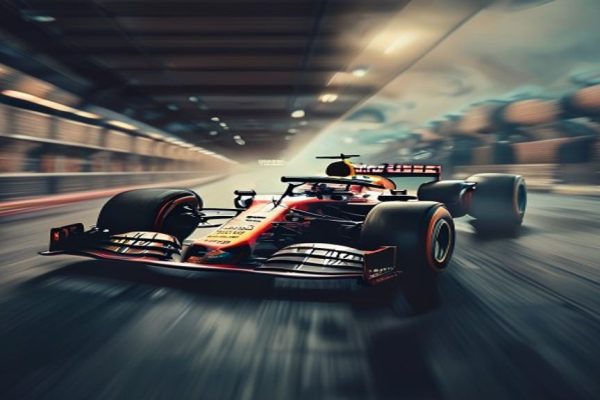
Formula 1’s New Era: A Balance of Speed and Safety
Formula 1, the pinnacle of open-wheel racing, has been at the center of a heated debate in recent years. The sport’s governing body, the Fédération Internationale de l’Automobile (FIA), has introduced a new generation of cars, designed to improve safety and reduce costs. However, this shift has led to a change in the racing dynamics, leaving many fans and drivers questioning the sport’s future.
The Concerns Over New Cars
The new cars, which debuted in 2022, feature advanced aerodynamics and a reduced downforce. While this has led to higher speeds and closer racing, it has also raised concerns about the sport’s competitive balance. Many drivers and teams feel that the new cars have made the racing too superficial, with an overemphasis on speed rather than strategy and driver skill.
The F1’s bosses, led by FIA President Mohammed Ben Sulayem, are caught in the middle of this debate. On one hand, they recognize the superficial appeal of the back-and-forth racing, with drivers pushing their cars to the limit and the crowd on the edge of their seats. On the other hand, they are concerned about what the new cars are doing to the sport they grew up loving.
The Impact on Driver and Team Performance
The new cars have also had a significant impact on driver and team performance. With the reduced downforce, drivers need to be more precise with their braking and acceleration, which has led to a rise in mistakes and errors. This has put a premium on drivers with exceptional skills and experience, making it harder for younger drivers to break into the sport.
Teams, too, have had to adapt to the new cars. They have invested heavily in new technologies and strategies to stay competitive, which has led to a significant increase in costs. This has made it harder for smaller teams to compete with the bigger players, potentially leading to a loss of diversity in the sport.
The Future of Formula 1
As the debate over the new cars and the future of racing continues, the F1’s bosses are faced with a difficult decision. Do they stick with the current formula, which has brought a new level of excitement to the sport, or do they go back to a more traditional approach, which may be more appealing to fans but could potentially stifle innovation and progress?
One thing is certain, however: the future of Formula 1 will be shaped by the decisions made by the FIA and the teams. Whether the sport continues to evolve and adapt to the changing landscape or returns to its roots, one thing is clear: the love of racing and the thrill of competition will always be at the heart of Formula 1.
Key Points
- The new Formula 1 cars have led to a change in the racing dynamics, with a focus on speed and strategy.
- The FIA is caught in the middle of the debate, recognizing the superficial appeal of the back-and-forth racing but concerned about the impact on the sport.
- The new cars have put a premium on drivers with exceptional skills and experience, making it harder for younger drivers to break into the sport.
- Teams have had to adapt to the new cars, investing in new technologies and strategies to stay competitive.
- The future of Formula 1 will be shaped by the decisions made by the FIA and the teams.
As the debate over the new cars and the future of racing continues, one thing is certain: the future of Formula 1 will be shaped by the decisions made by the FIA and the teams. Whether the sport continues to evolve and adapt to the changing landscape or returns to its roots, one thing is clear: the love of racing and the thrill of competition will always be at the heart of Formula 1.






Leave a Reply