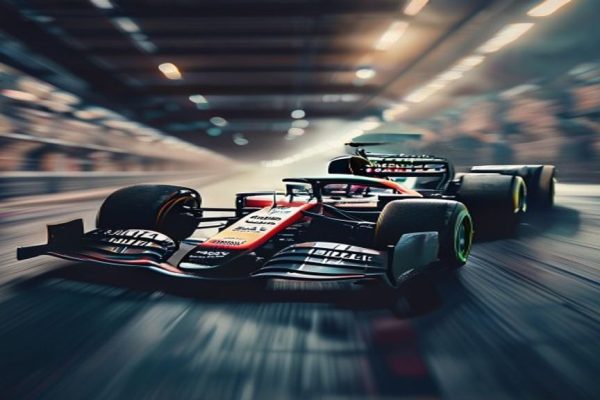
Formula 1’s New Era: Where Speed Meets Sustainability
Formula 1, the world’s premier open-wheel racing championship, has been at the forefront of innovation and technological advancements for decades. However, with the introduction of new cars and regulations in the 2022 season, F1’s bosses are grappling with an identity crisis. The new generation of cars, designed to reduce carbon emissions and improve fuel efficiency, have raised concerns among fans, teams, and officials about the sport’s very essence.
On one hand, the new cars have undoubtedly brought about a more spectacular and thrilling racing experience. With their sleek designs, advanced aerodynamics, and improved engine performance, the current crop of F1 cars is a far cry from their predecessors. The increased downforce and reduced drag have led to closer racing, more overtaking, and a greater emphasis on driver skill and strategy. Fans, in particular, have been thrilled by the new cars’ ability to produce breathtaking speeds and hair-raising moments on the track.
However, beneath the surface, a different story is unfolding. The new cars, while more environmentally friendly, have also led to a significant increase in engine costs and complexity. This has put pressure on teams to invest heavily in research and development, making it even more challenging for smaller outfits to compete. Moreover, the reduced fuel capacity and increased energy recovery systems have raised concerns about the sport’s long-term sustainability. Can F1 continue to balance its commitment to innovation and spectacle with the need to reduce its environmental impact and maintain its competitive integrity?
Formula 1’s governing body, the FIA, and its commercial partners are caught in the middle of this debate. While they recognize the superficial appeal of the back-and-forth racing, they are equally concerned about the potential consequences of the new cars on the sport’s long-term viability. The FIA has already taken steps to address these concerns, introducing measures such as cost caps and technical regulations aimed at reducing costs and promoting more competitive racing.
But what does the future hold for Formula 1? Will the sport be able to strike a balance between its love of innovation and its commitment to sustainability? Or will the increasing costs and complexity of the new cars ultimately lead to a crisis that threatens the very fabric of the sport? As we look to the future, one thing is certain: the world of Formula 1 will never be the same again.
The Human Factor: Drivers and Teams Adapt to the New Era
The drivers, too, are adjusting to the new cars and regulations. With the increased downforce and reduced drag, the drivers have had to adapt their driving styles to compensate for the changed handling characteristics of the cars. Experienced drivers like Lewis Hamilton and Max Verstappen have shown that they are still able to adapt and excel in the new era, while younger drivers like Charles Leclerc and Pierre Gasly are learning to navigate the intricacies of the new cars.
Teams, on the other hand, are facing an even greater challenge. With the increased costs and complexity of the new cars, teams are having to invest heavily in research and development to stay competitive. Smaller outfits are struggling to keep up, and the gap between the top teams and the rest is becoming increasingly wide. The FIA’s cost caps and technical regulations are aimed at addressing these concerns, but it remains to be seen whether they will be enough to stem the tide.
The Way Forward: A Sustainable Future for Formula 1
So, what’s the way forward for Formula 1? Can the sport continue to balance its commitment to innovation and spectacle with the need to reduce its environmental impact and maintain its competitive integrity? The answer lies in a combination of technological innovation, regulatory changes, and a renewed focus on sustainability.
Technological innovation will continue to play a key role in F1’s development. Hybrid power units, advanced aerodynamics, and improved engine efficiency will all contribute to reducing the sport’s environmental impact. Regulatory changes, such as the introduction of cost caps and technical regulations, will help to level the playing field and promote more competitive racing.
But perhaps the most critical factor will be a renewed focus on sustainability. F1’s governing body, the FIA, and its commercial partners must work together to ensure that the sport is not only environmentally friendly but also socially responsible. This means investing in education and outreach programs to promote the values of sustainability and environmental stewardship among fans, drivers, and teams.
The future of Formula 1 is uncertain, but one thing is clear: the sport will never be the same again. As we navigate the challenges and opportunities of the new era, we must remember that the true essence of F1 lies not in its cars or its technology but in the passion, the excitement, and the human spirit that it embodies.
Whether F1 can balance its love of innovation with its commitment to sustainability remains to be seen. But one thing is certain: the world of Formula 1 will be an exciting and unpredictable place to be in the years to come.
Conclusion: The Future of Formula 1 Awaits
The debate over the future of Formula 1 is far from over. As the sport navigates the challenges and opportunities of the new era, one thing is clear: the world of F1 will never be the same again. Whether the sport can balance its love of innovation with its commitment to sustainability remains to be seen, but one thing is certain: the future of Formula 1 is full of excitement, uncertainty, and possibility.






Leave a Reply